Risa Tips & Tricks: How to Use Our Structural Analysis Software

October 13, 2026

Guide To: Flexible Diaphragm Load Distribution for L-Shaped Buildings in RISA

L-shaped buildings can present unique design challenges because of their asymmetric geometry. One such challenge is the distribution of lateral loads especially when utilizing a flexible diaphragm. For background on flexible diaphragm load distribution, refer to the related article below for some details on the load distribution based on beam layout. L-shaped buildings require additional assumptions and clarifications from the general beam layout guidance described there. The program uses different distribution methods for wind and seismic loads based on the application of the load type. Wind load is generated using the full building face dimensions, while seismic load is generated using mass tributary area. In both cases, the generated loads are assigned to the lateral framing members that define each diaphragm region. The following sections compare three conditions: the theoretical distribution based on engineering fundamentals, the distribution generated by an initial integrated RISAFloor and RISA-3D model, and the distribution after modifying the member designation assumptions. Each condition uses the same floor plan, with equal-sized bays and lateral frame lines shown in red. Theoretical Results To understand and verify how RISA distributes lateral loads, first establish the theoretical distribution for an L-shaped building with a flexible diaphragm. These theoretical values provide…

Read More

RISA-3D (3)

January 23, 2026

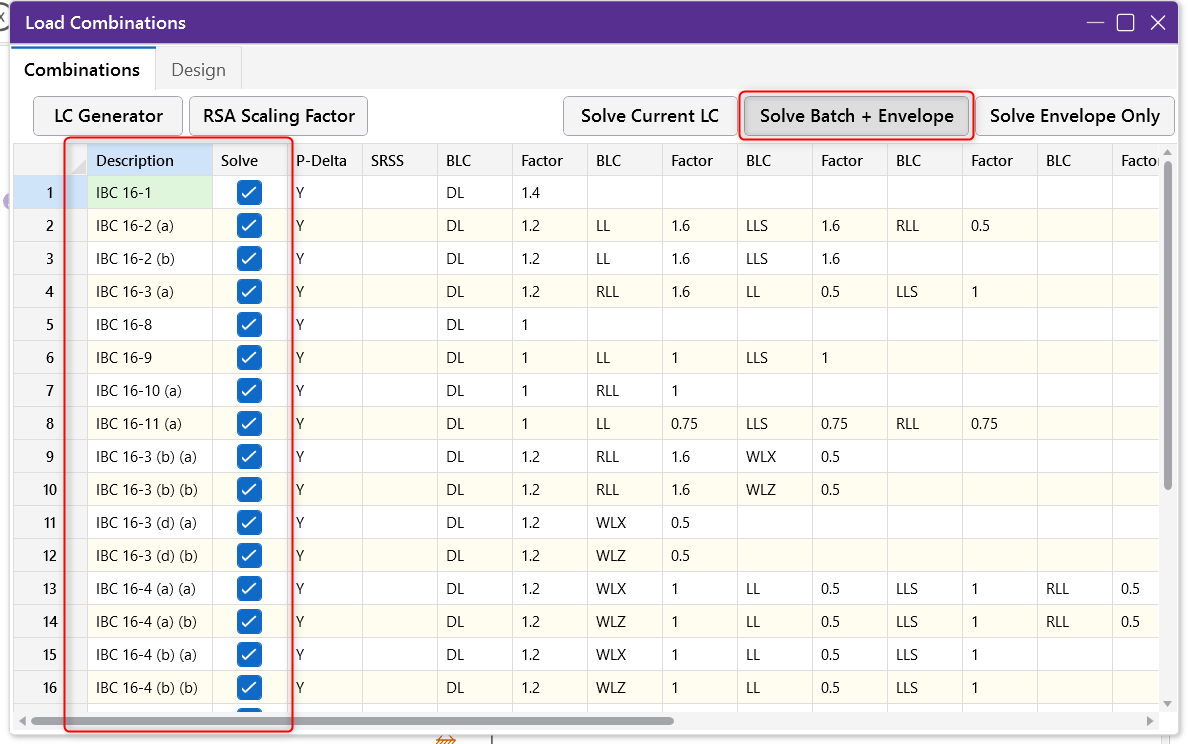
What’s New for IBC 2024 in RISA: A Closer Look

With RISA’s latest release of RISA-3D v23.0.1, we’re continuing to expand...

Read More
January 01, 2026

Top RISA-3D Features Engineers Underuse

Powerful Tools Don’t Help If They’re Left Unused Many engineers evaluate...

Read More
October 30, 2025

🎃 Trick or Treat… It’s RISA-Jeopardy! 👻

Halloween isn’t just for candy and costumes—it’s the perfect time to test...
Read More
October 28, 2025

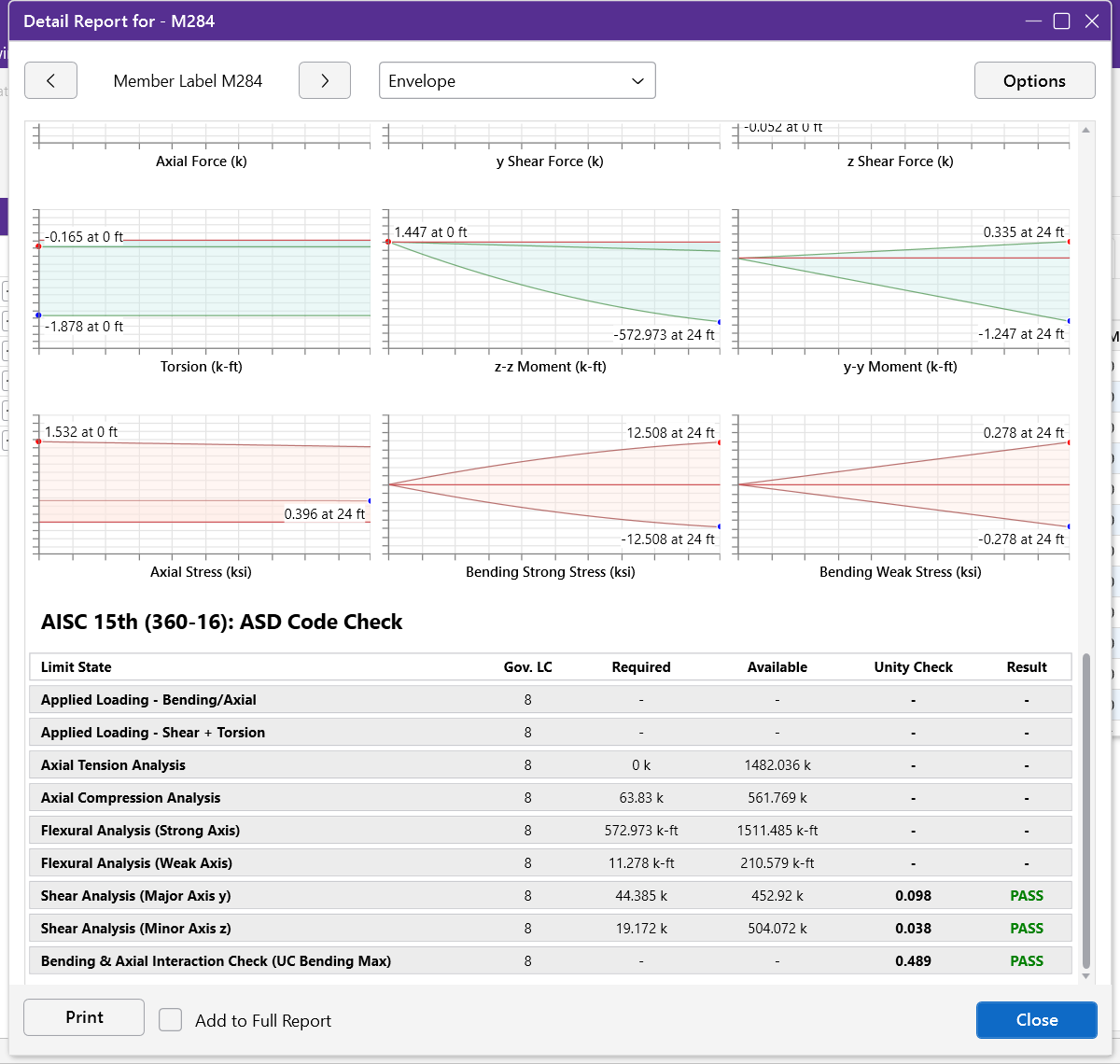
Why Maximum Moment Graphs Differ from Flexural Demand in RISA-3D

When the Graphs Don’t Match: Understanding the Controlling Case A common...
Read More
October 17, 2025

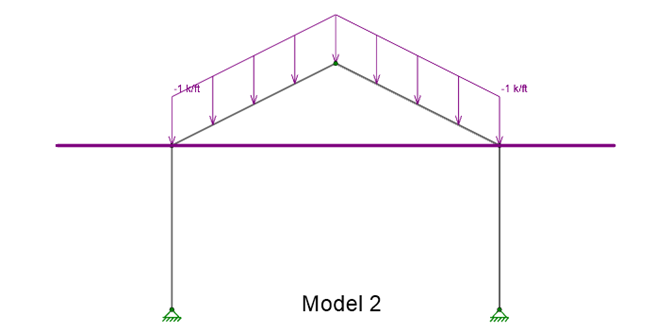
The Hidden Tension Tie: When Rigid Diaphragms Meet Sloping Members

Rigid diaphragms in RISA-3D are a powerful way to model how floor systems...
Read More
September 16, 2025

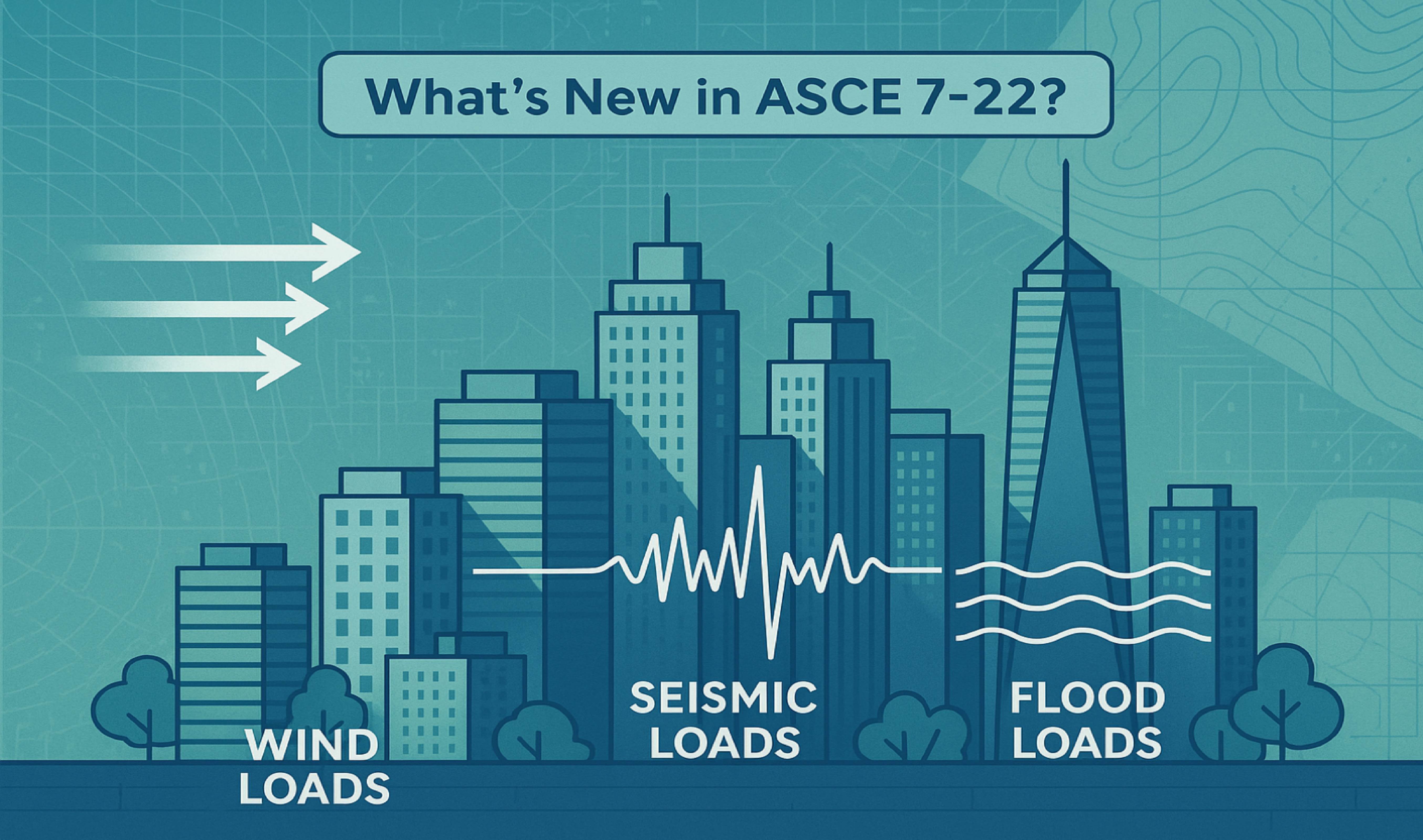
What’s New in ASCE 7-22?

The ASCE/SEI 7-22 Minimum Design Loads and Associated Criteria for...
Read More
September 16, 2025

What’s New in ANSI/AISC 360-22?

The ANSI/AISC 360 Specification for Structural Steel Buildings is the...
Read More
September 09, 2025

How to Use Multi-Period Response Spectrum Data for Seismic Load Generation?

With the adoption of ASCE 7-22, the concept of a multi-period response...
Read More
September 04, 2025

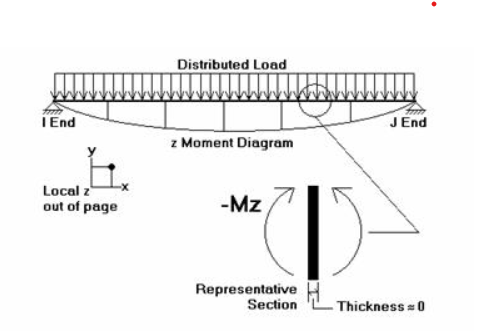
Member Sign Conventions: Understanding It Across RISA Software

RISA software products use different moment sign conventions depending on...

Read More

Subscribe to Our Newsletter

Our monthly "Structural Moment" newsletter is the best way to keep up with RISA’s product updates, new releases, new features, training events, webinars and more...