Risa Tips & Tricks: How to Use Our Structural Analysis Software

August 24, 2026

LL vs. LLS in RISA: What's the Difference?

When defining loads in RISA, you’ll see two live load categories: LL and LLS. Both are live loads, but the preset load combinations incorporate them differently. Understanding this difference helps you assign loads correctly and get accurate results. Quick Definitions: LL = Live Load typical live load that qualifies for lower load factor in code 0.5 factor applied in applicable LRFD load combinations from ASCE 7 Standard factor applied in applicable load combinations from NBC LLS = Live Load Special higher or special use live load that does not qualify for lower load factor such as loading over 100psf, garages, and assembly areas. 1.0 factor applied in applicable LRFD load combinations from ASCE 7 Increased load factor applied in applicable NBC load combinations Why There are Two Live Load Categories The two categories exist to incorporate the different load factors required for the live load as prescribed in both ASCE 7 and NBC. In ASCE 7, an exception is allowed for the load factor applied to the live load in strength design (LRFD) load combinations. “The load factor on L in combinations 3a and 4a is permitted to equal 0.5 for all occupancies in which L0 in Chapter 4, Table…

Read More

RISA-3D (21)

November 16, 2016

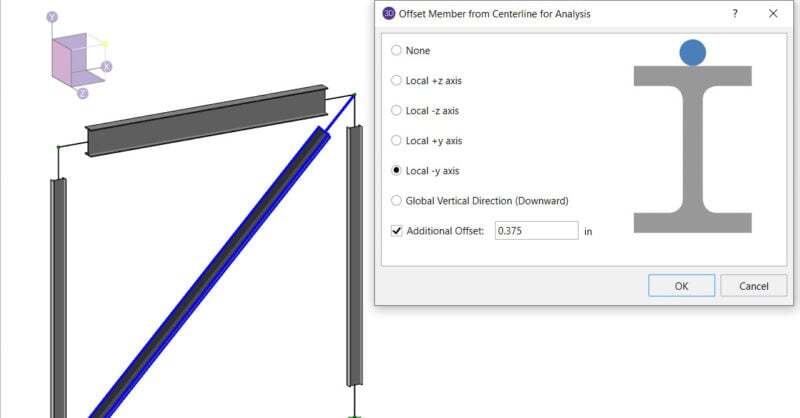
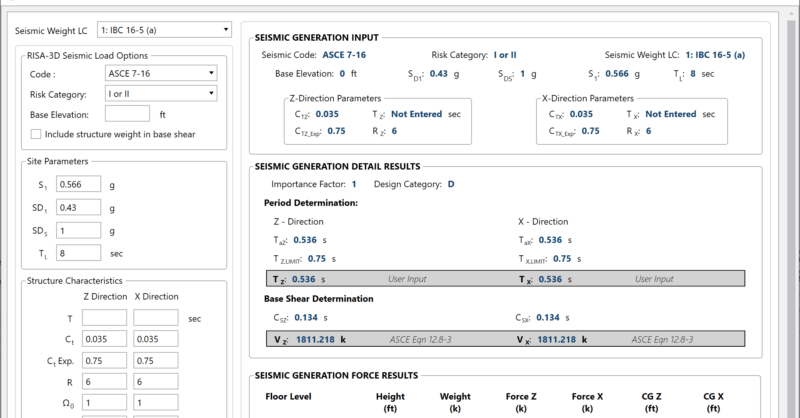
How the Analysis Offset feature can be used to design WT Braces

In the RISA-3D when you model a WT brace it exists at the member centroid,...
Read More
November 02, 2016

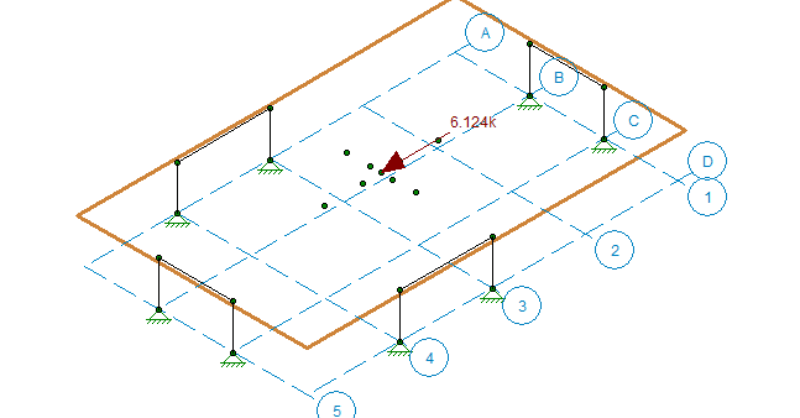
Basic Code Terms for Seismic Behavior and Why We Use Them

Seismic Forces are generated automatically using seismic parameters R,...
Read More
October 19, 2016

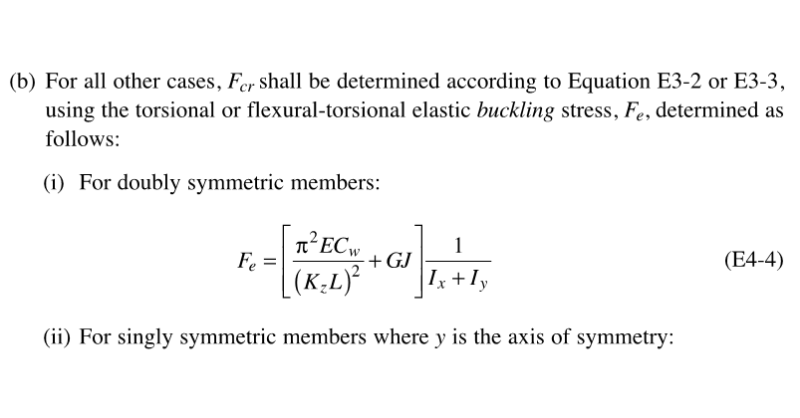
Instabilities in RISA-3D with Flexible Diaphragms

In a model that contains both RISAFloor and RISA-3D data it is possible to...
Read More
August 31, 2016

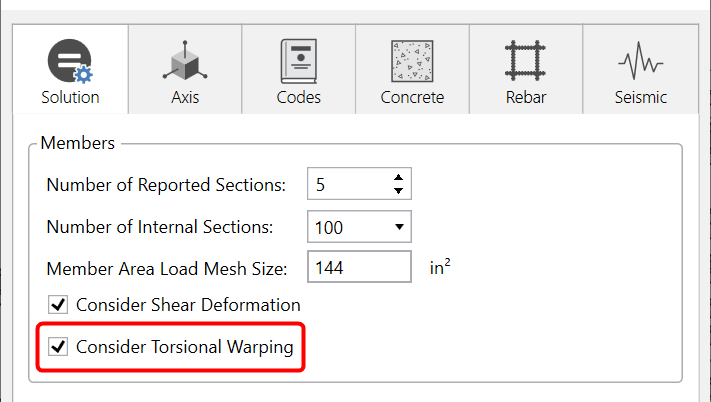
Why Do My Wide Flange Members Fail in the AISC 14th Edition Code?

In RISA-3D’s addition of the AISC 14th Edition code we added Section E4...
Read More
August 17, 2016

How Does RISA-3D Account for Torsional Warping?

Twisting of a member or frame induces torsional forces and stresses. This...

Read More
August 16, 2016

Why Can’t I See My RISASection Shapes in the Shape Database?

When using RISA Integration between RISASection and RISA-3D, RISA-2D...

Read More
March 26, 2016

Improved Wall Panel Results

Wall Panel Forces Spreadsheet The power of RISA is the easy to access...

Read More
March 18, 2016

How Do I Find A Failing Member in the Model?

You may find that when looking at the Code Check spreadsheet that a given...

Read More
March 10, 2016

Importing Recorded Seismic Ground Motions

The Pacific Earthquake Engineering Research center (PEER) has a large...

Read More

Subscribe to Our Newsletter

Our monthly "Structural Moment" newsletter is the best way to keep up with RISA’s product updates, new releases, new features, training events, webinars and more...