Risa Tips & Tricks: How to Use Our Structural Analysis Software

June 16, 2026

What is the Effective Length of a Column?

Key Highlights In the formula Le = K L, the K-factor is essentially a "penalty" or "bonus" based on end-restraint stiffness. As effective length increases, the critical buckling load decreases exponentially. A dimensionless coefficient that adjusts for end restraints. K=1.0 for a standard pinned-pinned column; K=0.65 for a rigid fixed-fixed column; and K=2.1 for a precarious cantilever (fixed-free). Effective length is the numerator in the slenderness ratio (KLr), which determines if a column is classified as "short," "intermediate," or "long." Structural engineers define the effective length (Le or KL) of a column as the equivalent length of a "perfect" pinned-pinned column that would have the same buckling capacity as the actual column being analyzed. It is calculated by multiplying the physical unbraced length (L) by an effective length factor (K). While the unbraced length is a purely geometric measurement, the distance between lateral supports, the effective length is a stability parameter that accounts for the column's boundary conditions (how the ends are attached) and whether the frame can sway laterally. Why Effective Length Matters and The Physics of Buckling The primary reason engineers calculate effective length is to predict Euler Buckling. Most columns in modern construction are not "short and…

Read More

June 17, 2016

Why Do Seismic Brace Story Forces Change My Existing Code Checks?

It is possible for seismic (OCBF or SCBF) vertical braced connections to...

Read More
May 25, 2016

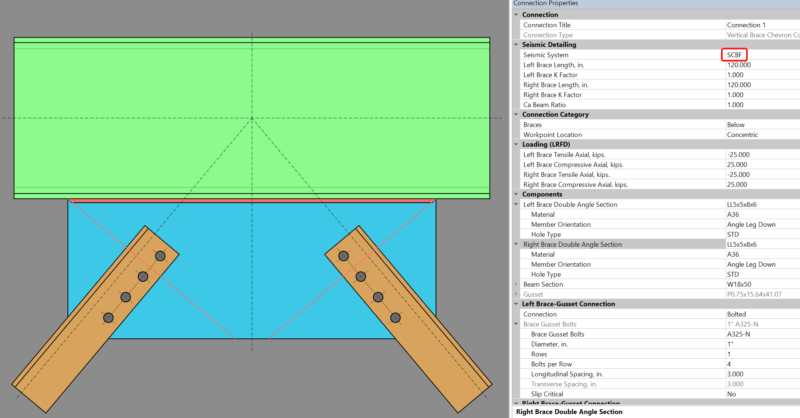
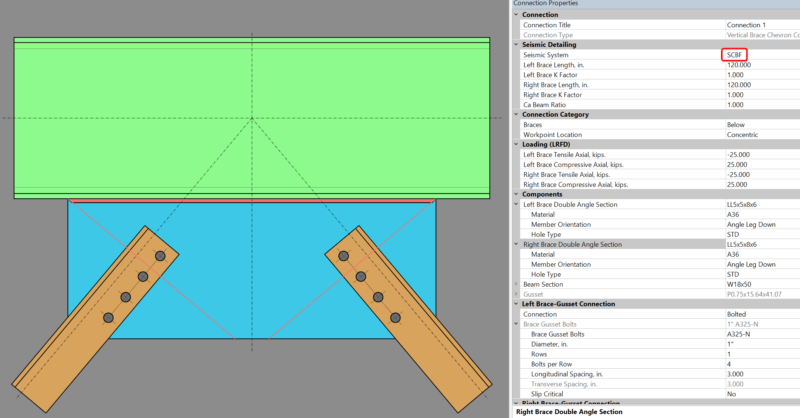
SCBF Seismic Brace Connections

Vertical Diagonal Brace connections and Vertical Chevron Brace connections...
Read More
April 22, 2016

Seismic Braced Frames in RISAConnection v6

This webinar shows users how to design and detail brace connections...

Read More
April 19, 2016

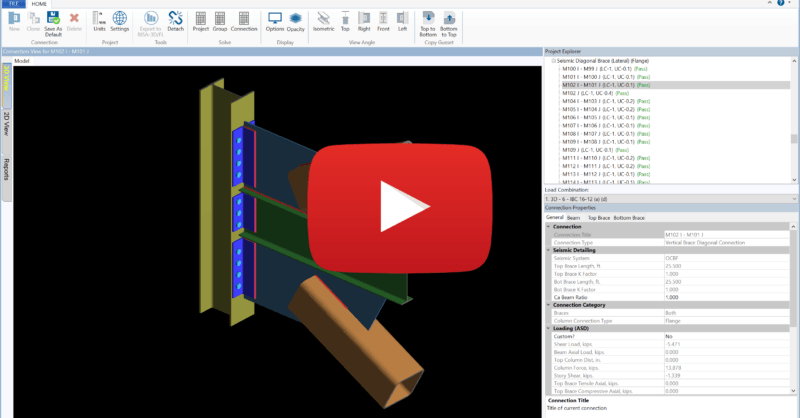
OCBF Seismic Brace Connections

Vertical Diagonal Brace connections and Vertical Chevron Brace connections...
Read More
March 31, 2016

OCBF & SCBF Seismic Brace Connections now Available

RISAConnection v6 has introduced the ability to design vertical brace...
Read More
March 26, 2016

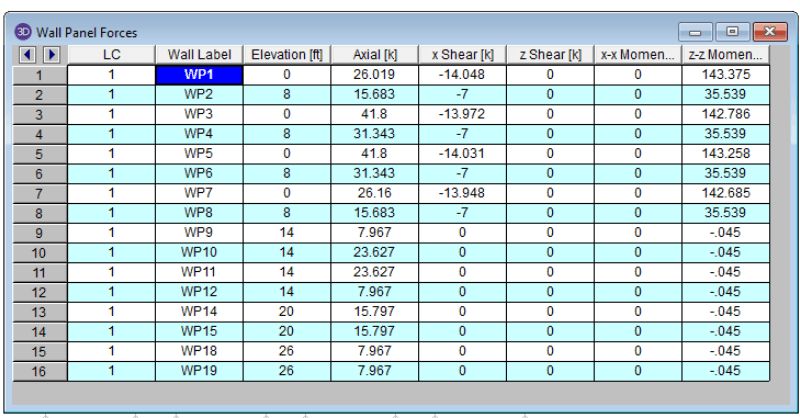
Improved Wall Panel Results

Wall Panel Forces Spreadsheet The power of RISA is the easy to access...
Read More
March 18, 2016

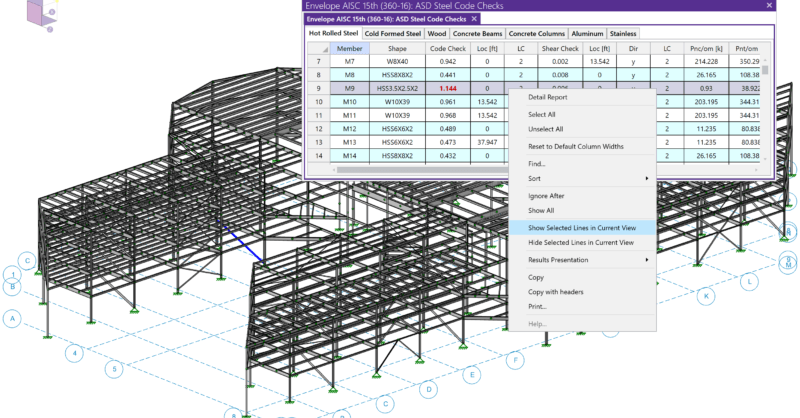
How Do I Find A Failing Member in the Model?

You may find that when looking at the Code Check spreadsheet that a given...
Read More
March 10, 2016

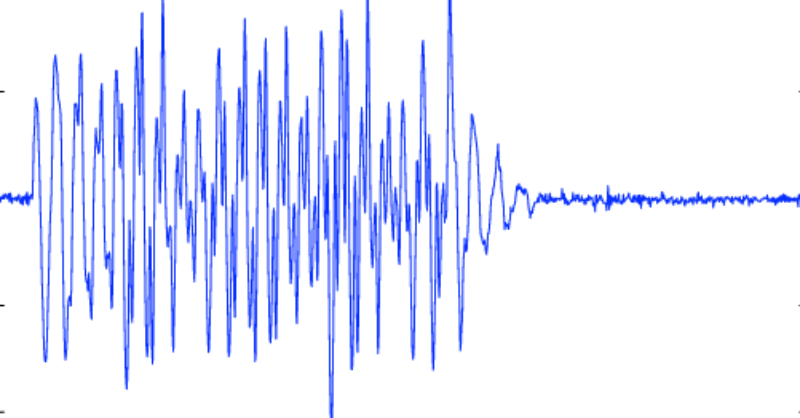
Importing Recorded Seismic Ground Motions

The Pacific Earthquake Engineering Research center (PEER) has a large...
Read More
March 03, 2016

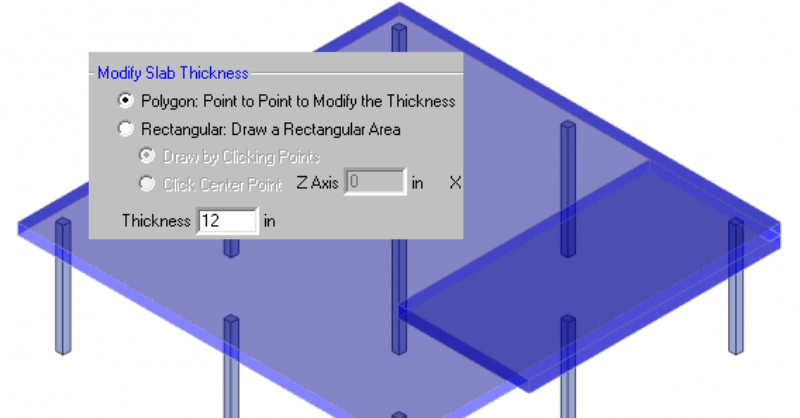
How to Thicken a Slab

RISAFloor ES allows you to model concrete slabs of any thickness. However,...
Read More

Subscribe to Our Newsletter

Our monthly "Structural Moment" newsletter is the best way to keep up with RISA’s product updates, new releases, new features, training events, webinars and more...