Risa Tips & Tricks: How to Use Our Structural Analysis Software

June 16, 2026

What is the Effective Length of a Column?

Key Highlights In the formula Le = K L, the K-factor is essentially a "penalty" or "bonus" based on end-restraint stiffness. As effective length increases, the critical buckling load decreases exponentially. A dimensionless coefficient that adjusts for end restraints. K=1.0 for a standard pinned-pinned column; K=0.65 for a rigid fixed-fixed column; and K=2.1 for a precarious cantilever (fixed-free). Effective length is the numerator in the slenderness ratio (KLr), which determines if a column is classified as "short," "intermediate," or "long." Structural engineers define the effective length (Le or KL) of a column as the equivalent length of a "perfect" pinned-pinned column that would have the same buckling capacity as the actual column being analyzed. It is calculated by multiplying the physical unbraced length (L) by an effective length factor (K). While the unbraced length is a purely geometric measurement, the distance between lateral supports, the effective length is a stability parameter that accounts for the column's boundary conditions (how the ends are attached) and whether the frame can sway laterally. Why Effective Length Matters and The Physics of Buckling The primary reason engineers calculate effective length is to predict Euler Buckling. Most columns in modern construction are not "short and…

Read More

September 09, 2015

Why don’t the Beams in my Frame have axial force?

The beams in a lateral force resisting system, such as a braced frame or...

Read More
September 02, 2015

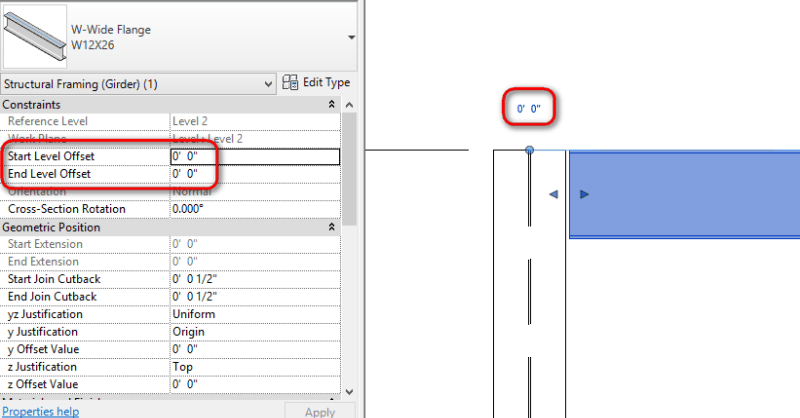
How should I model beams in Revit to make them import into RISAFloor…

Revit offers two options for setting the elevation of beams. The way these...
Read More
August 25, 2015

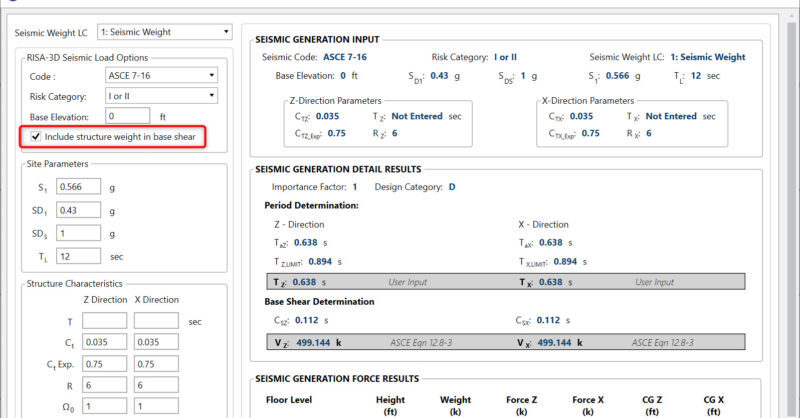
What does the Include Structure Weight Checkbox Do for Seismic Loads?

In the Seismic Loads dialog there is a checkbox for “Include structure...
Read More
August 20, 2015

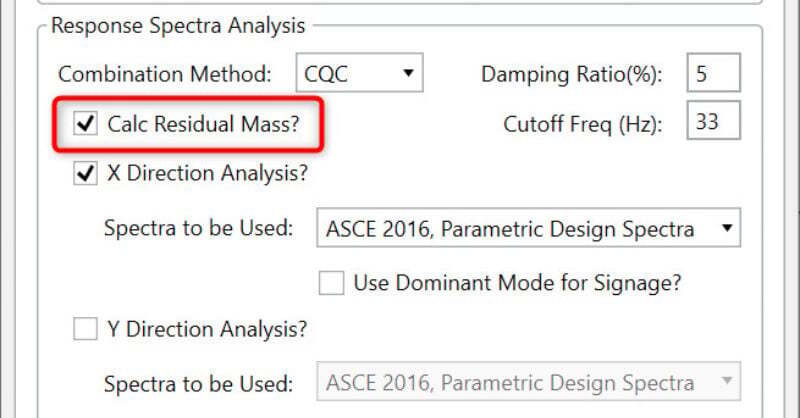
Residual Rigid Response (Dynamics)

When running a Response Spectrum analysis for seismic design, the response...
Read More
August 11, 2015

What Loads Transfer from RISAFloor to RISA-3D?

RIAFloor designs the gravity system and then integrates with RISA-3D to...
Read More
August 08, 2015

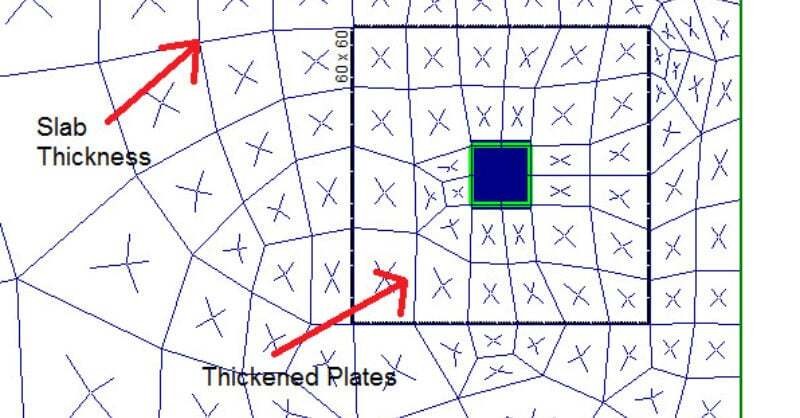
How do you add Shear Caps to columns?

Per the ACI, you can add a Shear Cap to your column to increase the shear...
Read More
August 07, 2015

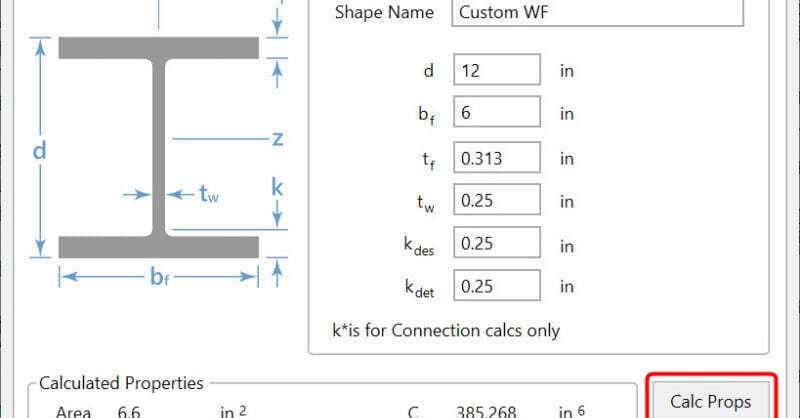
How to Create a Custom Shape in RISA-3D

There are multiple options in RISA-3D and RISAFloor to create a custom...
Read More
July 14, 2015

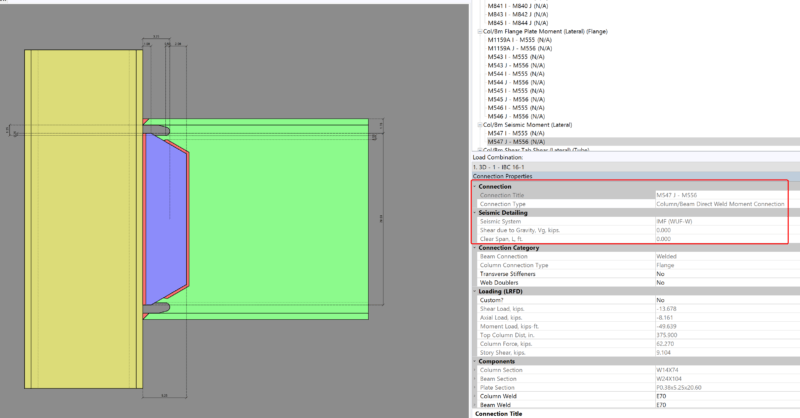
How to Import a Seismic Moment Connection into RISAConnection

Design for seismic connection detailing is now available in RISAConnection...
Read More
June 15, 2015

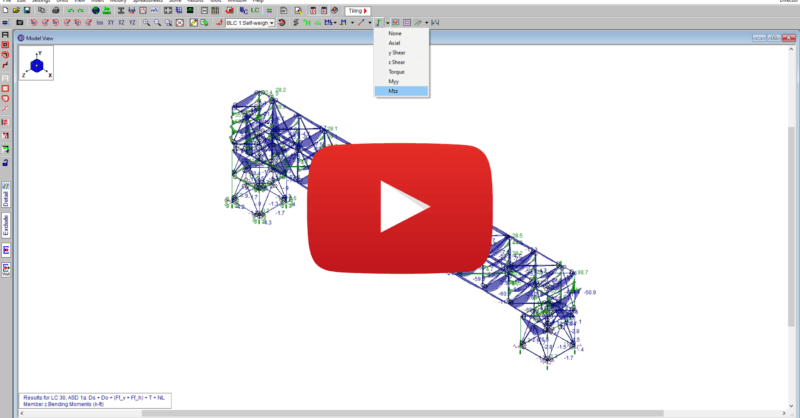
Capture Animation in RISA

This video will demonstrate how to capture the animation from RISA-3D into...
Read More

Subscribe to Our Newsletter

Our monthly "Structural Moment" newsletter is the best way to keep up with RISA’s product updates, new releases, new features, training events, webinars and more...