February 28, 2026

Bridging the Gap: Real-World Coordination Challenges for Structural Engineers

Structural engineering isn’t just about calculations—it’s about making assumptions explicit, validating them against the built environment, and translating loads into actionable design decisions. Even perfect analysis won’t prevent problems if coordination fails. Here are four real-world cases that illustrate the challenges and solutions that practicing engineers face daily. Architect Coordination – “The Wall Section That Didn’t Exist” Project: Multi-story mixed-use building Challenge: The architectural drawings specified a wall section that was shallower than required for structural framing. Technical Issue: The structural model indicated that full lateral loads required a thicker wall cavity to properly anchor the framing. If built per the architectural drawings, the wall would have created clearance issues and compromised the lateral load path. Solution & Workflow: Compared architectural sections to the structural model in 3D. Highlighted discrepancies in the model and prepared annotated visuals. Shared a clear summary with the architect outlining why the wall depth needed adjustment. Outcome: The architect revised the wall section prior to construction. No field conflicts occurred, and the project stayed on schedule. Engineering Lesson: Always validate architectural assumptions against your structural model. Small dimensional mismatches can create drift, clearance, or lateral capacity problems. Contractor Coordination – “The Footing That Wasn’t There”…

Read More

March 10, 2015

The Internal Force Summation Tool for Walls

You may be familiar with the Internal Force Summation Tool (IFST) that is...

Read More
March 05, 2015

How to Model With Stem Walls in RISAFoundation

New in RISAFoundation V7 is a Stem Wall element. This element would be...

Read More
February 26, 2015

Canadian Wood Design now Available

Timber design per the Canadian CSA 086-2009 design code is now available....

Read More
February 17, 2015

What's New for Code Updates in RISA

New codes have been added to RISA-3D v13 and RISAFloor v9, these include:...

Read More
January 15, 2015

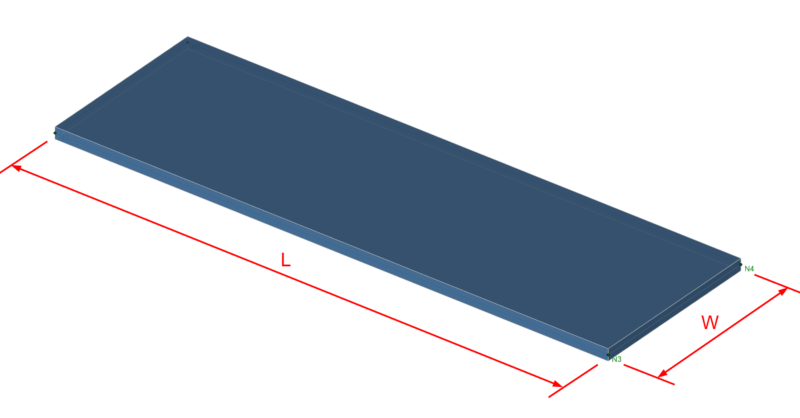
Approximate Guidelines for Plate Meshing

It is important to submesh plate elements in your model in order to obtain...
Read More
December 03, 2014

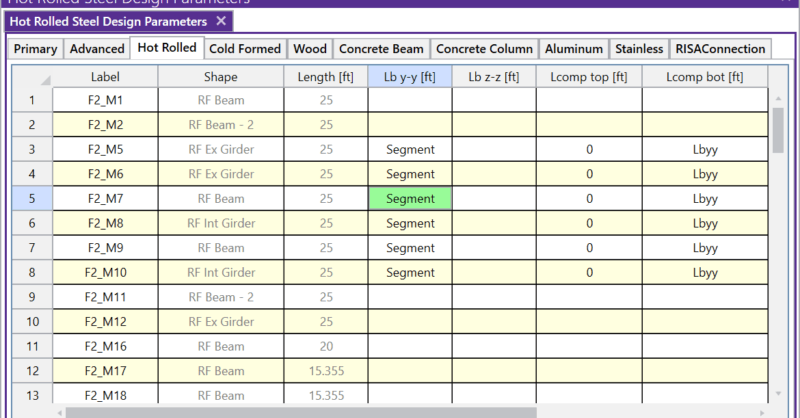
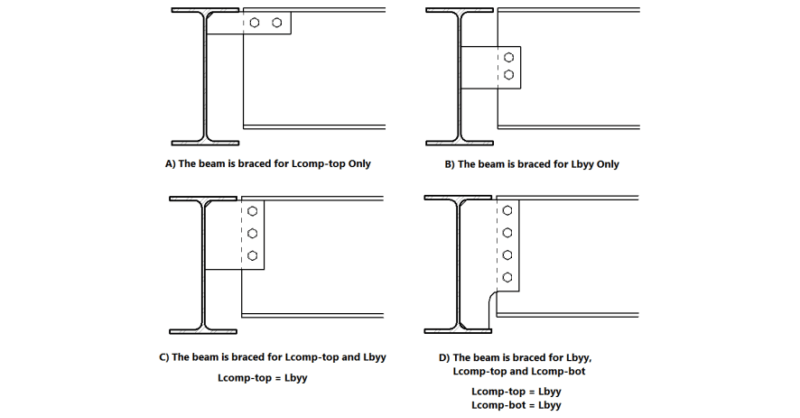
What do the Unbraced Length commands Segment and Lbyy mean?

Aside from leaving an unbraced length blank or inputting a fixed distance,...
Read More
November 19, 2014

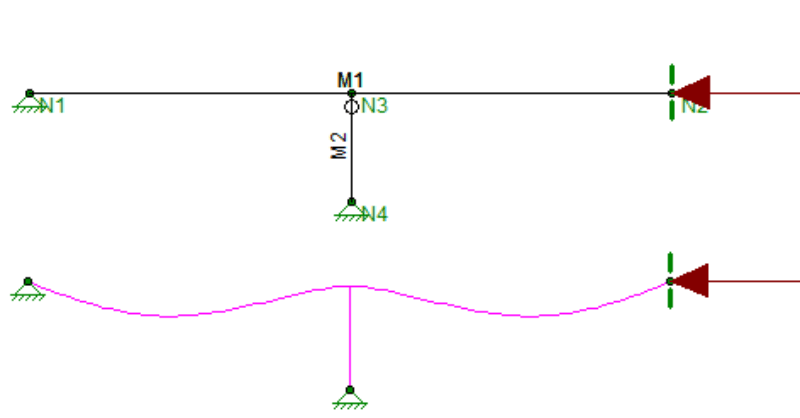
What do the Unbraced Lengths represent?

Understanding unbraced lengths and how RISA software accounts for them is...
Read More
November 12, 2014

How do Unbraced Lengths affect Analysis?

The axial compression and flexure strength of beams and columns is...

Read More
October 29, 2014

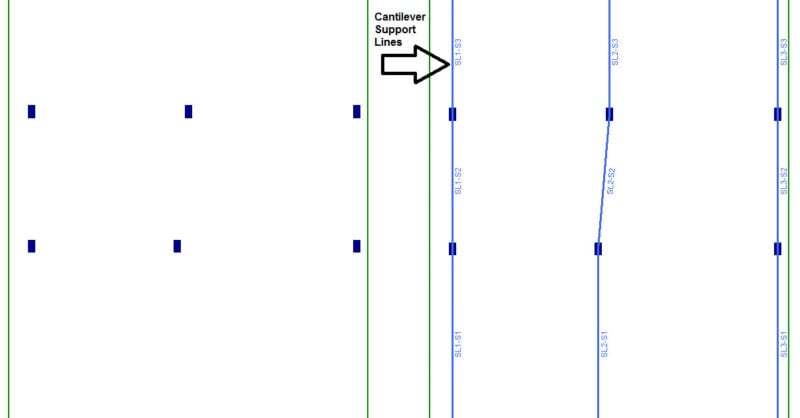
Code Requirements for Panel Zone Shear Deformation

Code requirements for consideration of panel zone shear deformation can be...
Read More

Subscribe to Our Newsletter

Our monthly "Structural Moment" newsletter is the best way to keep up with RISA’s product updates, new releases, new features, training events, webinars and more...