Importing Recorded Seismic Ground Motions
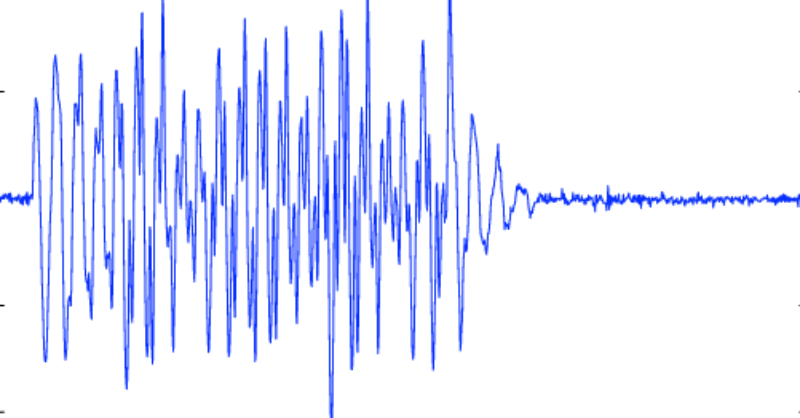
The Pacific Earthquake Engineering Research center (PEER) has a large...
RISAConnection is designed to work directly with your RISAFloor and RISA-3D models, not as a separate “export‑and‑forget” tool. When the integration is set up correctly, RISAConnection can read your geometry, member sizes, connection rules, design method, and load combinations, then send connection results back into RISAFloor and RISA-3D for review. This article walks through how the integration behaves, what you can and cannot change in RISAConnection, and how to work with grouped connections efficiently. 1. What Actually Comes into RISAConnection When you integrate from RISAFloor or RISA-3D, RISAConnection creates a .rcn file with the same file name as your model in the same folder. You’ll see that the project is populated with all valid connections—only connection types that RISAConnection can design will be brought in. Data that is integrated: Geometry and member sizes Connection Rules from RISAFloor / RISA-3D (including bolted vs. welded settings) Design Method (ASD or LRFD) Applicable Seismic Design Rules from RISA-3D (for seismic connection types) Load combinations that have the “Connection” check‑box enabled in the RISAFloor / RISA-3D Load Combinations spreadsheet If a connection type or configuration is not supported by RISAConnection, it will not be added to the .rcn project and a warning will be…
Read More
The Pacific Earthquake Engineering Research center (PEER) has a large...
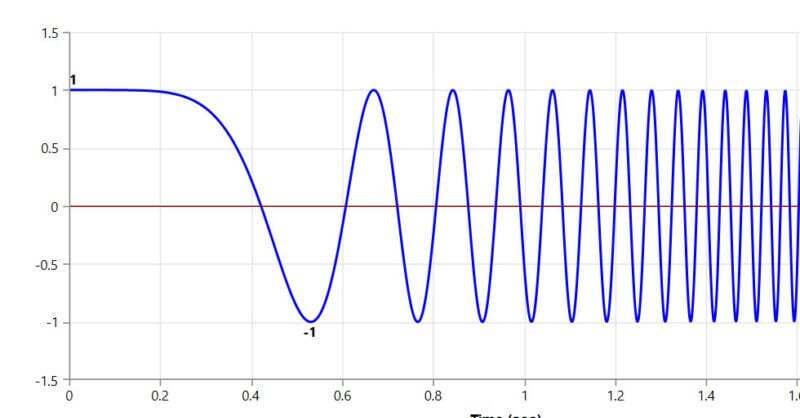
Ramp Up Function RISA allows you to define “Ramp Up Functions” to control...
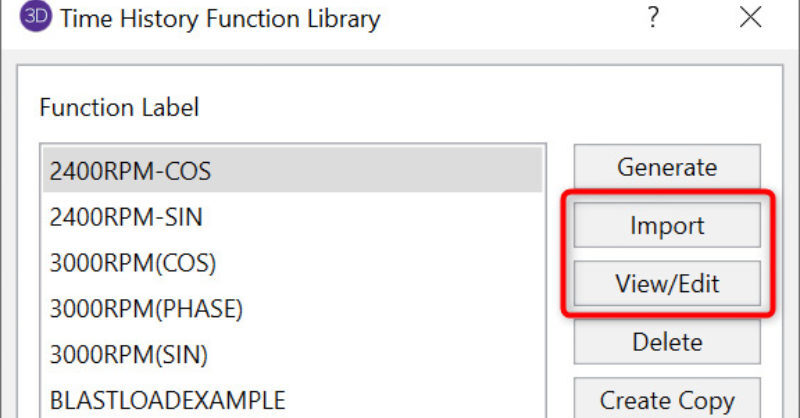
New in RISA-3D v14 is the introduction of a Time History analysis feature....
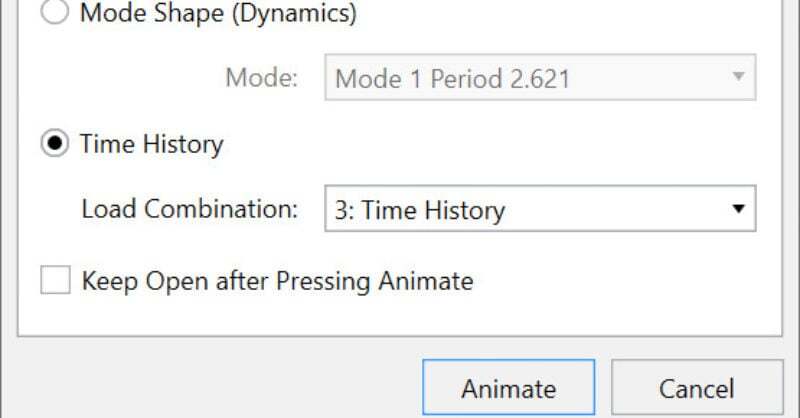
Time history analysis solves for normal analysis results (joint...
Our monthly "Structural Moment" newsletter is the best way to keep up with RISA’s product updates, new releases, new features, training events, webinars and more...