Risa Tips & Tricks: How to Use Our Structural Analysis Software

October 29, 2026

5 Frightening RISA-3D Modeling Errors That Can Haunt Your Results

Spooky season is here with ghastly ghosts, glowing jack-o’-lanterns, and wicked witches around every corner. While Halloween scares can be fun, unexpected surprises in a structural model are a different story. This spooky season, keep an eye out for a few frighteningly common modeling issues in RISA-3D. Catching these modeling concerns early can help you create models that are a treat to analyze, not a trick. 1. Locked Nodes Does it ever feel like there’s a ghost in your model? You run your analysis and discover a LOCKED reaction in the results. Don’t be scared, these reactions are not supernatural. They are created by RISA-3D when the model is not adequately supported for a specific degree of freedom. Locked nodes provide temporary restraint to help stabilize the model during analysis, but they should not be treated as the final solution. Because these added restraints do not report the load removed from the model, they can obscure the intended load path. Investigate and resolve the underlying instability so you can confirm that loads are transferring through the structure as expected. For a closer look at common sources of RISA-3D instability warnings and ways to troubleshoot LOCKED reactions, read The Ultimate Guide…

Read More

New (3)

April 07, 2026

What's New in RISAConnection v17?

RISA is pleased to announce the release of the latest version of...
Read More
February 28, 2026

Bridging the Gap: Real-World Coordination Challenges for Structural Engineers

Structural engineering isn’t just about calculations—it’s about making...

Read More
December 22, 2025

RISA Employee Spotlight: Deissy Flores

Deissy Flores is a Customer Success Specialist at RISA, where she helps...

Read More
November 06, 2025

RISA Employee Spotlight: Jennifer Johnson

Jennifer Johnson is a Technical Support Engineer at RISA, where she helps...
Read More
September 16, 2025

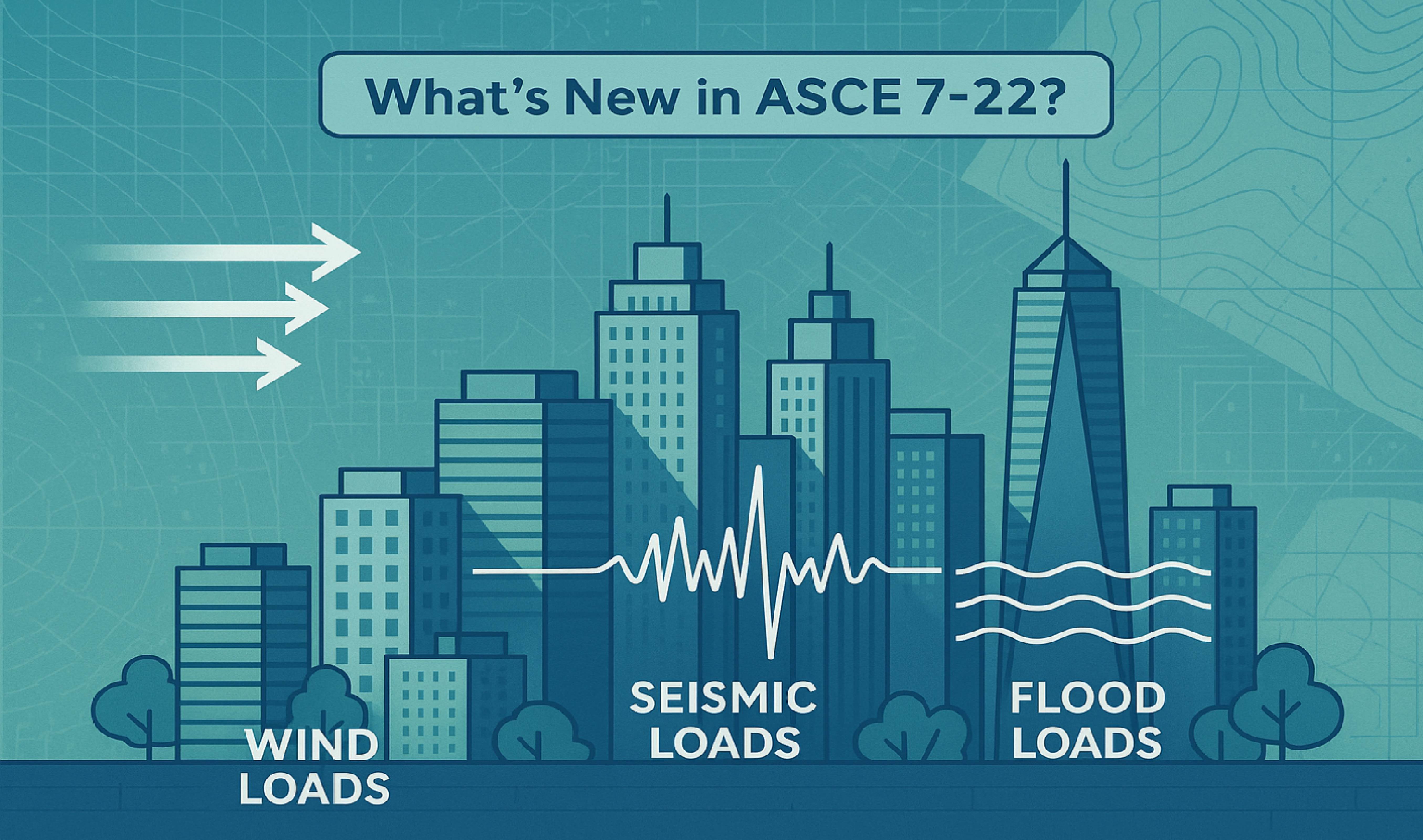
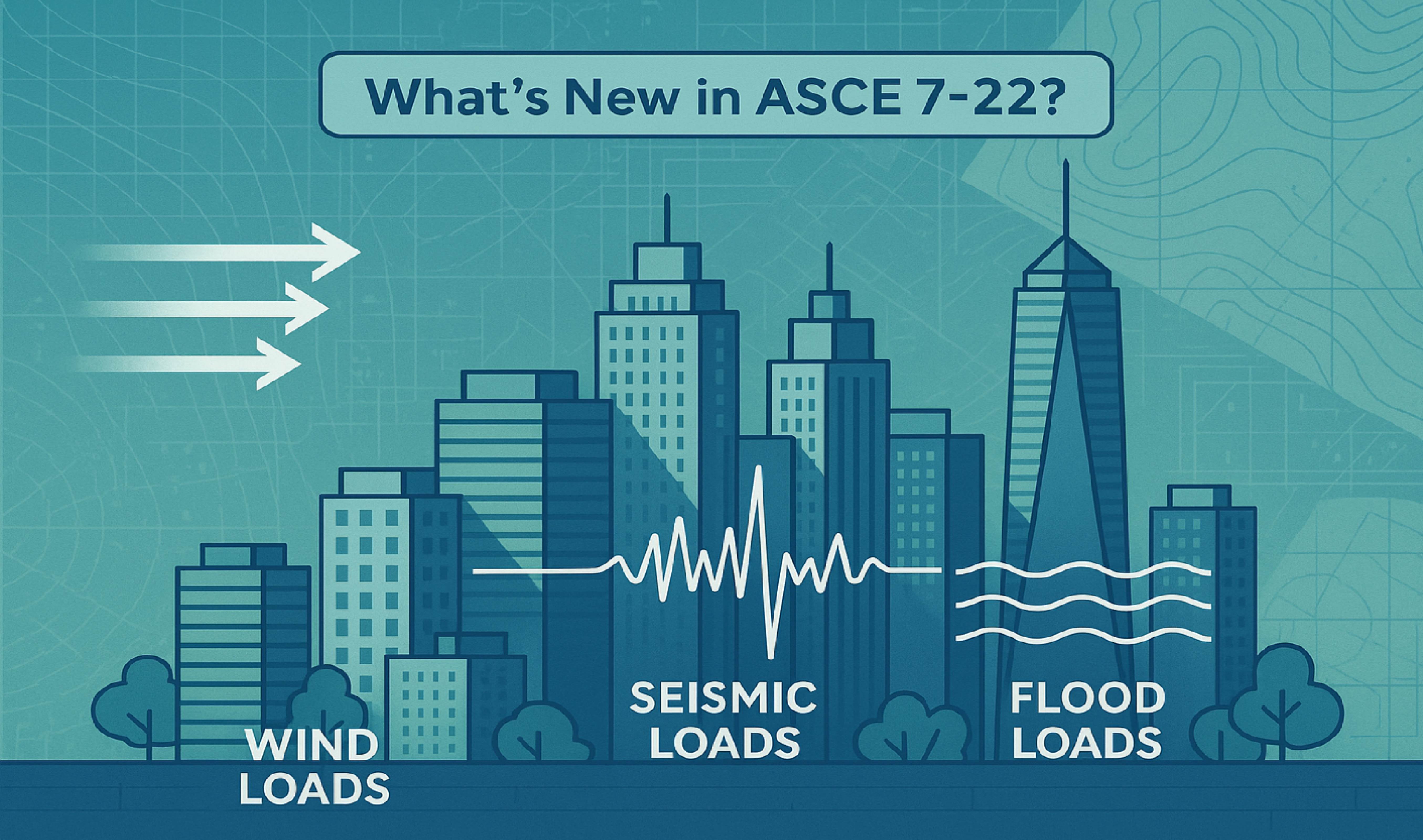
What’s New in ASCE 7-22?

The ASCE/SEI 7-22 Minimum Design Loads and Associated Criteria for...
Read More
September 16, 2025

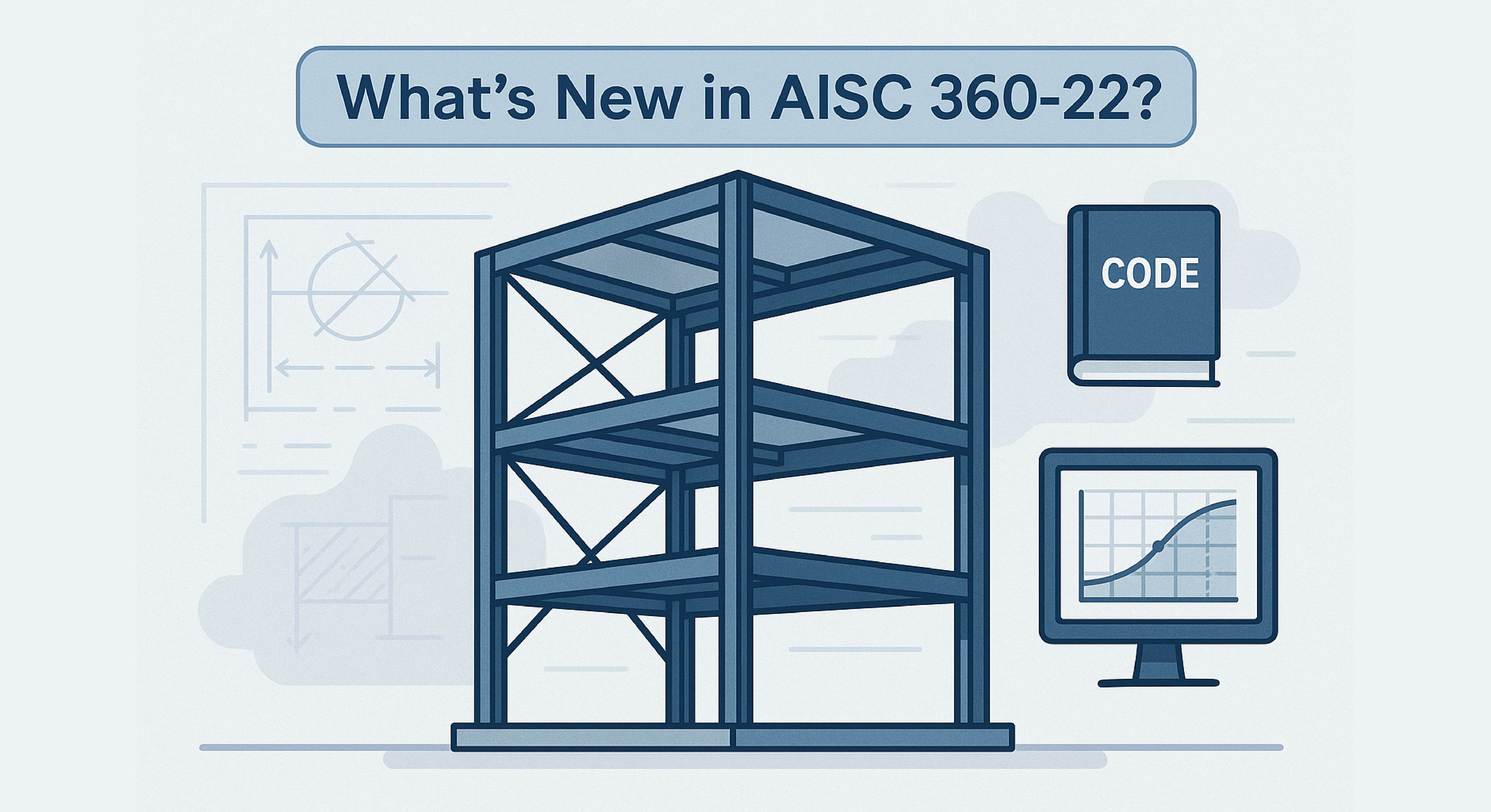
What’s New in ANSI/AISC 360-22?

The ANSI/AISC 360 Specification for Structural Steel Buildings is the...
Read More
September 09, 2025

How to Use Multi-Period Response Spectrum Data for Seismic Load Generation?

With the adoption of ASCE 7-22, the concept of a multi-period response...
Read More
Slab vs spread footing in RISAFoundation
July 29, 2025

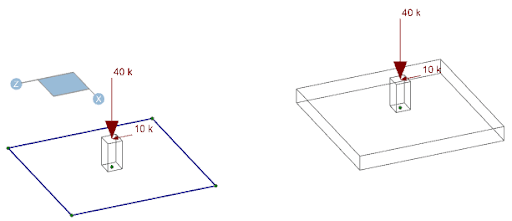
Slab vs. Spread Footing in RISAFoundation: What's the Difference?

We often get asked: “Should I model my foundation as a slab or a spread...

Read More
July 17, 2025

How RISA-3D Handles Wall Surface Loads at Openings

When designing shear walls in RISA-3D, it’s common to add surface...

Read More

Subscribe to Our Newsletter

Our monthly "Structural Moment" newsletter is the best way to keep up with RISA’s product updates, new releases, new features, training events, webinars and more...