Engineering Tomorrow: The Benefits and Challenges of Modular Construction
Modular construction is making waves in the infrastructure world,...
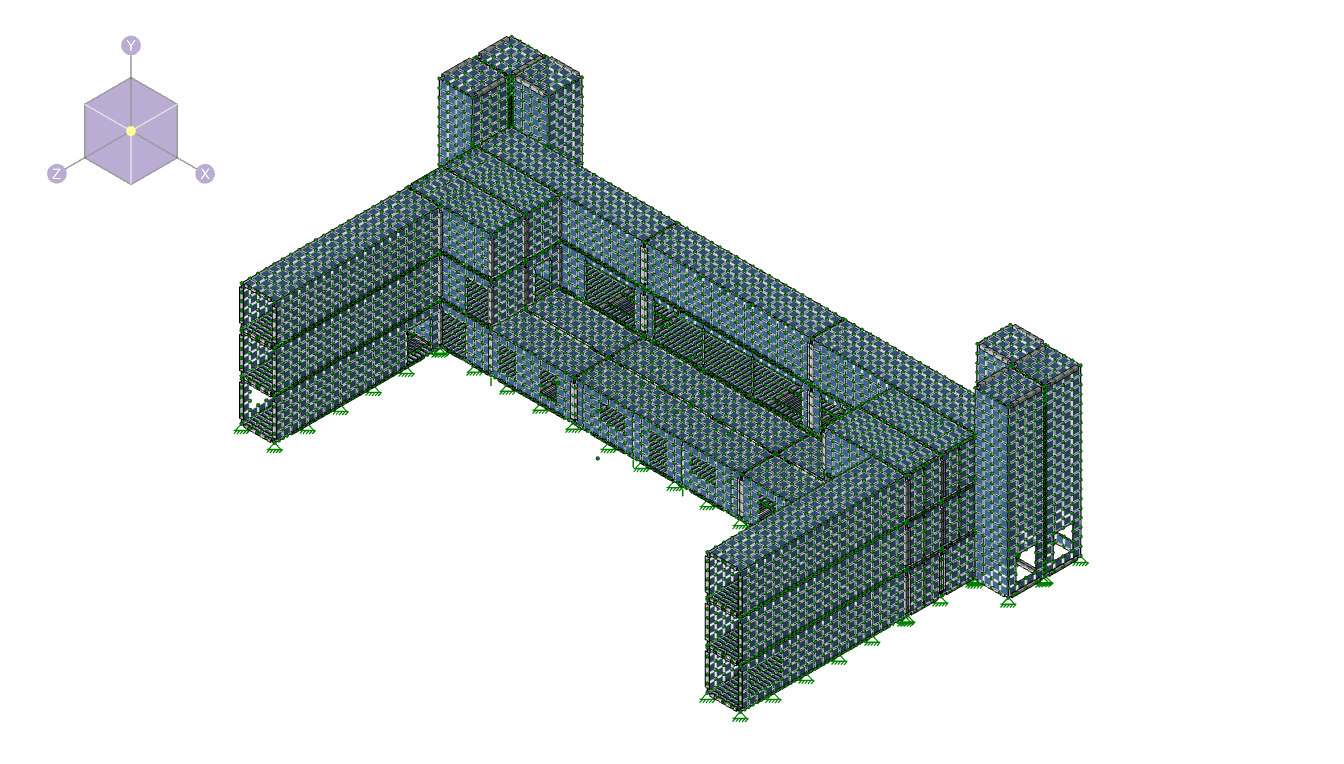
RISA-3D plate elements can be used to investigate glass panel response and interaction with curtain wall framing. Although the program does not provide dedicated glass design or code checks, plate analysis allows engineers to investigate glass panel behavior in combination with the framing response. The following guidance focuses on plate properties, connectivity, and loading. Apply engineering judgment when selecting assumptions and interpreting results. For framing-only modeling, custom aluminum sections, and member design considerations, see the companion article, "Glass Curtain Wall Design in RISA-3D: Member Design." Understanding the Effects of Adding Plates Adding plates changes more than just the model’s appearance. Plates share loads with framing members according to their relative stiffness and provide a stiffness-based load distribution. This distribution can affect both the glass plate forces and framing demands. It can also reduce member forces unintentionally, so material properties, connectivity, and plate meshing require careful review. Before adding plates, identify what the analysis needs to capture: panel response, load distribution, or interaction with the framing. Use those objectives to guide the material properties, plate thickness, mesh, and connectivity. Assign Plate Thickness and Material Properties When drawing plates, select the appropriate thickness and material. Define a custom material with properties suitable…
Read More
Modular construction is making waves in the infrastructure world,...
Our monthly "Structural Moment" newsletter is the best way to keep up with RISA’s product updates, new releases, new features, training events, webinars and more...