


 By: RISA
How to export a model to DXF
RISAFloor, RISA-3D, and RISAFoundation all allow the user to export a...
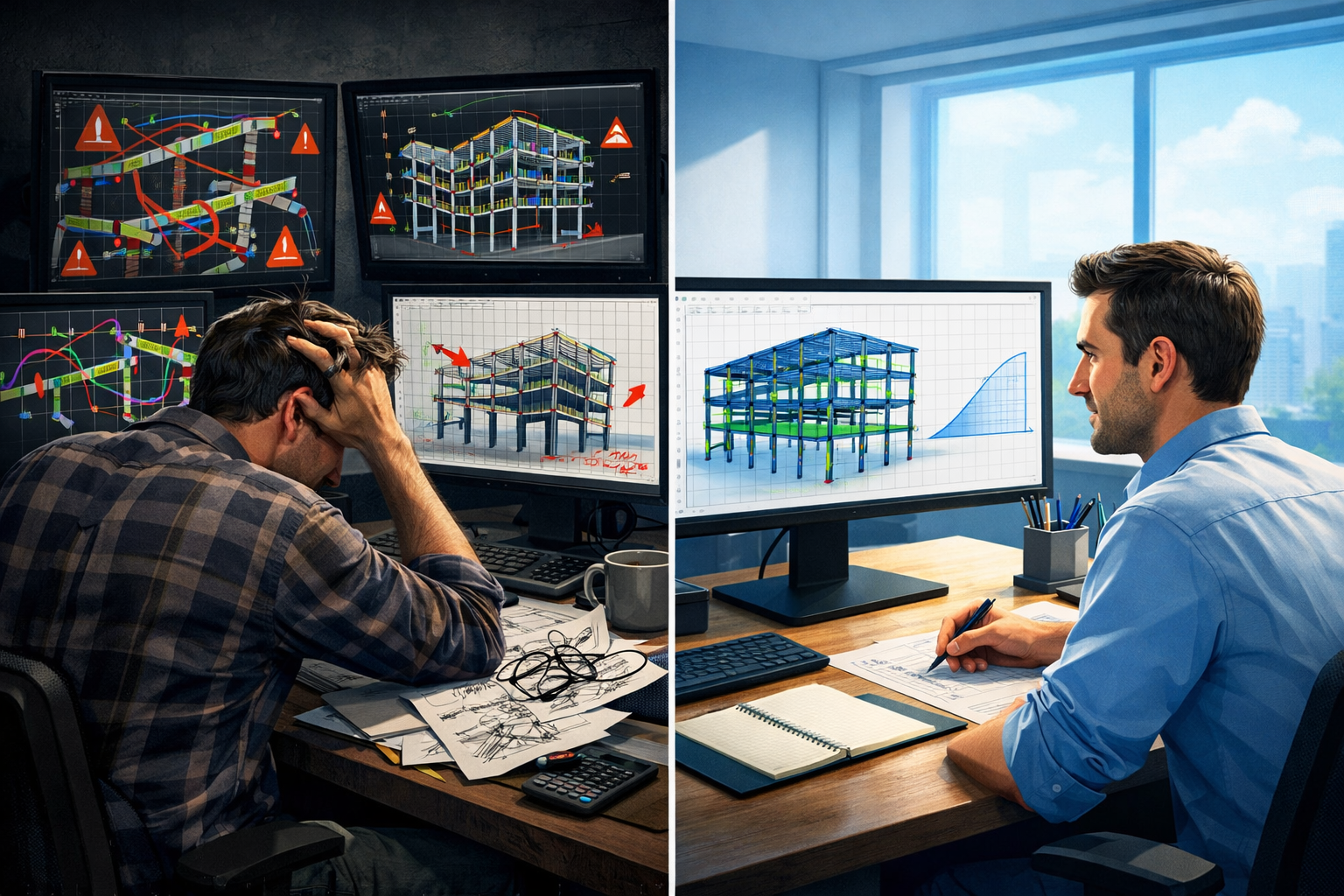
Trial-and-error learning is common in structural software, but it’s slow and risky. Complex systems, like industrial steel frames or multi-story podiums, require deliberate modeling choices: load placement, boundary conditions, lateral system integration, and plate connectivity.

At first glance, learning “on the job” seems efficient — no upfront cost, no time away from projects. But in practice, it often leads to:
From a firm perspective, this means billable hours are spent learning instead of producing.
Many firms rely on experienced engineers to train new hires. While valuable, this approach has limitations:
Result: Teams develop workflows that “work” — but aren’t optimized.
Missed opportunities can include:
Over time, these gaps lead to slower models, more conservative designs, and missed efficiency gains.
Investing in structured training like the RISA-3D Quick Start Course shifts learning from reactive to proactive.
Instead of:
You get:
From a cost perspective, this means:
RISA training doesn’t just teach which buttons to click — it reinforces engineering judgment within the software environment.
Engineers learn to:
This is especially critical for:
Training is most effective when paired with immediate application:
Pro tip: Treat training as part of your project workflow — not separate from it. The firms that integrate training into production consistently see faster modeling and better design outcomes.
For firms looking to scale efficiently, training isn’t just helpful — it’s a force multiplier for both productivity and engineering quality.
RISAFloor, RISA-3D, and RISAFoundation all allow the user to export a...
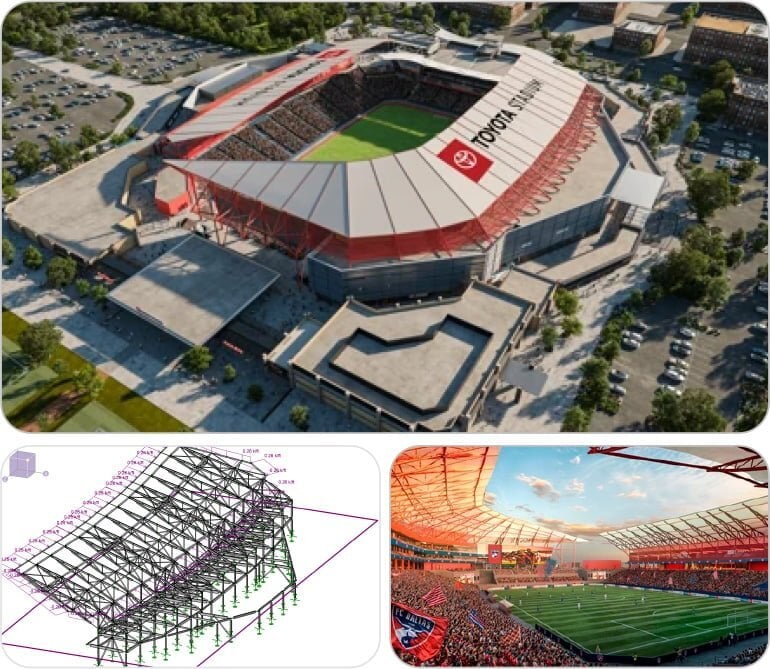
World Cup stadiums are a stress test for structural design. High live...
Did you know that your can now attend the RISA Steel Building Workshop...