


 By: RISA
Stadium Structural Design: Crowd Loads, Retrofits, and RISA Tools
World Cup stadiums are a stress test for structural design. High live...
World Cup years shine a spotlight on stadiums, but the structural challenges behind world‑stage venues show up across project types: museums, pavilions, and civic spaces. These are places where architecture is ambitious, public experience matters, and the structure has to quietly do a lot of work.
Here’s how RISA users are tackling three very different—but related—venue types.

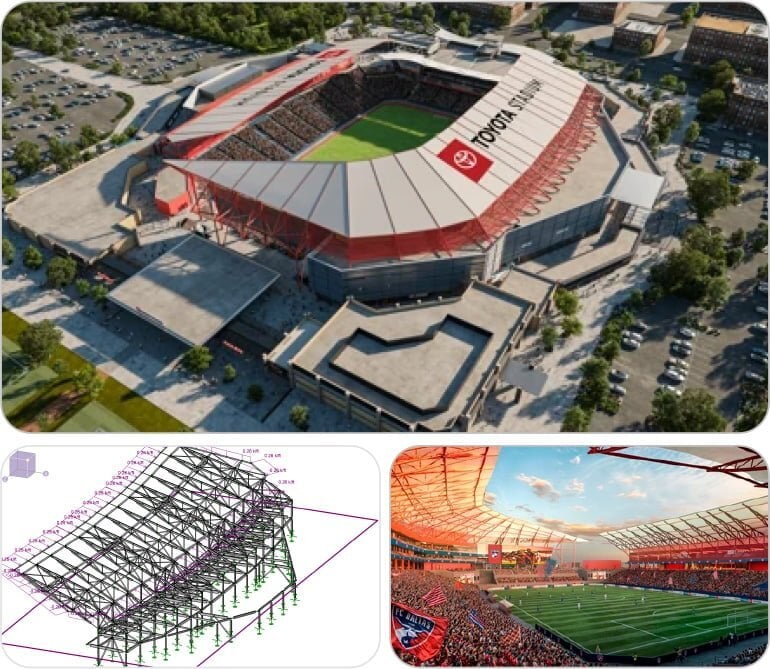
Stadium projects like Toyota Stadium improvements must handle:
A typical RISA workflow:
Because the entire system lives in one ecosystem, teams can see how changes in seating layout or roof configuration affect both strength and serviceability.
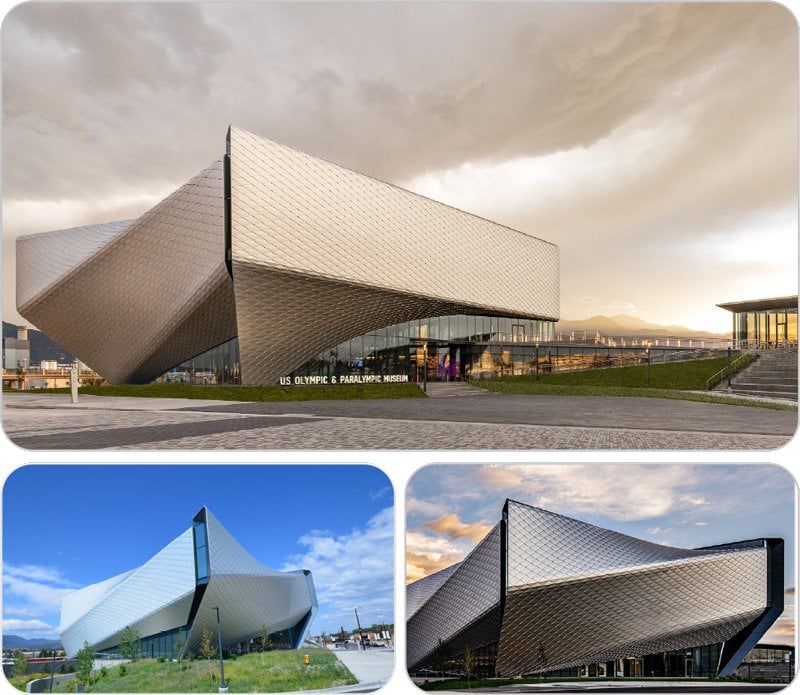
Venues like the U.S. Olympic & Paralympic Museum introduce different challenges:
In RISA, engineers often:
The result is a structure that supports complex forms and inclusive circulation without compromising code compliance or constructability.
The Exchange Pavilion—conceived as a cross‑border cultural hub—brings another layer of complexity:
RISA‑centric approaches to this kind of pavilion include:
This kind of workflow lets engineers validate that a visually driven pavilion still behaves as a robust structure under real loading.
What ties these projects together is not the architecture—it’s the analytical and design demands:
RISA’s ecosystem gives structural engineers a single toolset to address all of these:
Whether you’re working on a stadium, a museum, or a pavilion, the same core workflows help you move from concept to constructible, world‑stage structures.
Explore how RISA is being used on real public venues. Check out the Exchange Pavilion in the Excellence in RISA Awards to see these workflows applied in practice.
World Cup stadiums are a stress test for structural design. High live...
.png)
L-shaped buildings can present unique design challenges because of their...
RISA is pleased to announce the release of the updated RISA-Revit Link...