


 By: RISA
How RISA-3D Handles Wall Surface Loads at Openings
When designing shear walls in RISA-3D, it’s common to add surface...
Many engineers evaluate analysis software based on core modeling and design checks. But once a demo is over, some of the most impactful features are the ones that quietly save time on real projects — especially mid-size jobs where efficiency matters most.
These aren’t advanced edge-case tools. They’re everyday features that often go underused.


Diaphragm force output is one of the most valuable — and least leveraged — parts of a full building model. Instead of relying on manual distribution or conservative assumptions, engineers can directly see how loads are flowing to vertical elements.
For mid-size structures, this clarity can mean:
Fewer overdesigned collectors
More confidence in lateral load paths
Faster review and revisions when layouts change
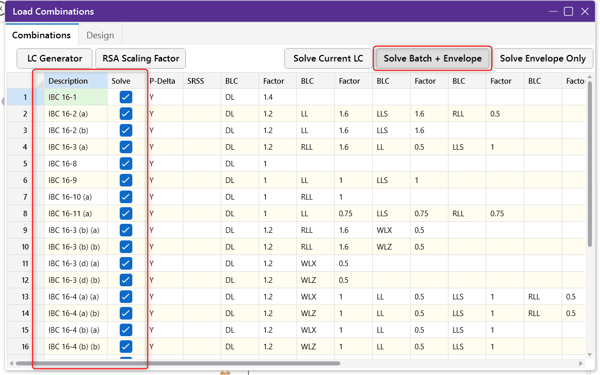
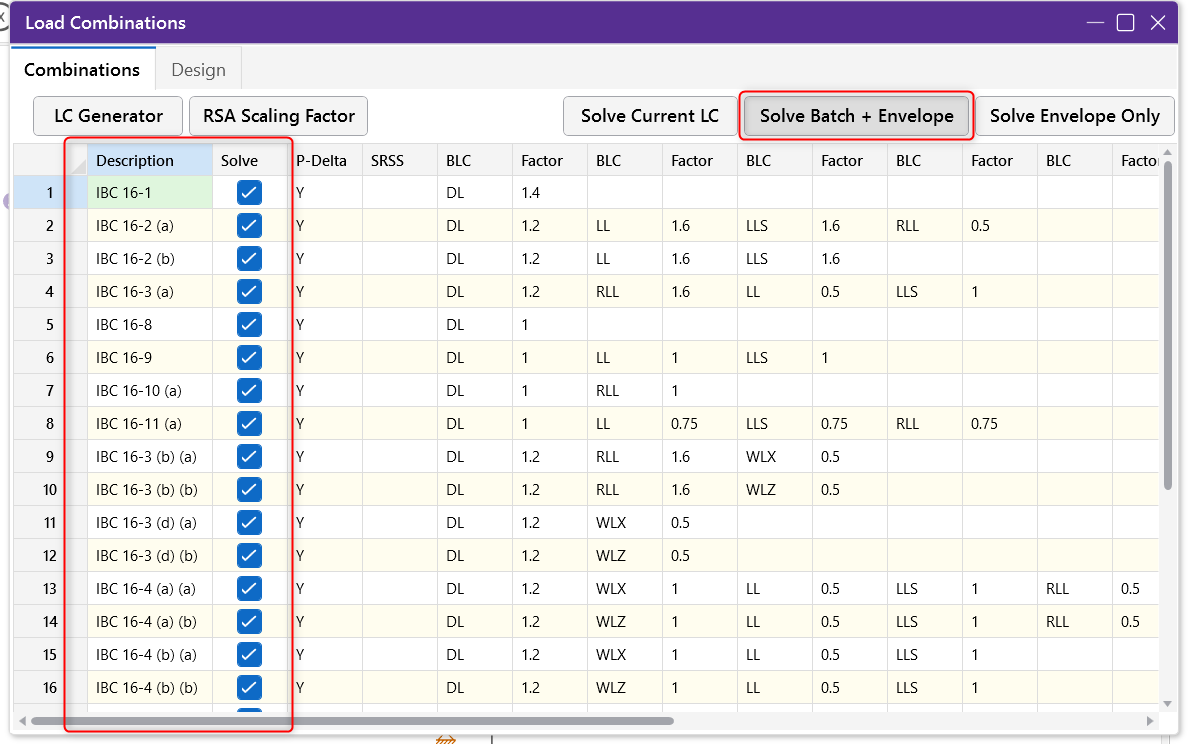
Batch results allow engineers to review multiple load cases, members, or design checks in a single pass. Instead of hunting through individual reports, patterns become obvious quickly.
On mid-size jobs, this speeds up:
QA/QC reviews
Iterative design changes
Comparing “before and after” scenarios
It’s not about skipping checks — it’s about seeing the full picture sooner.
The biggest productivity gain rarely comes from the first model run. It comes from the second, third, and fourth iterations. Features that reduce rework, simplify updates, and keep gravity and lateral systems aligned directly affect project profitability.
For firms evaluating RISA after a demo, understanding how these features work together often makes the difference between “this looks good” and “this fits how we actually design.”
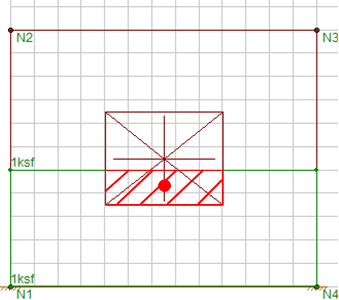
When designing shear walls in RISA-3D, it’s common to add surface...
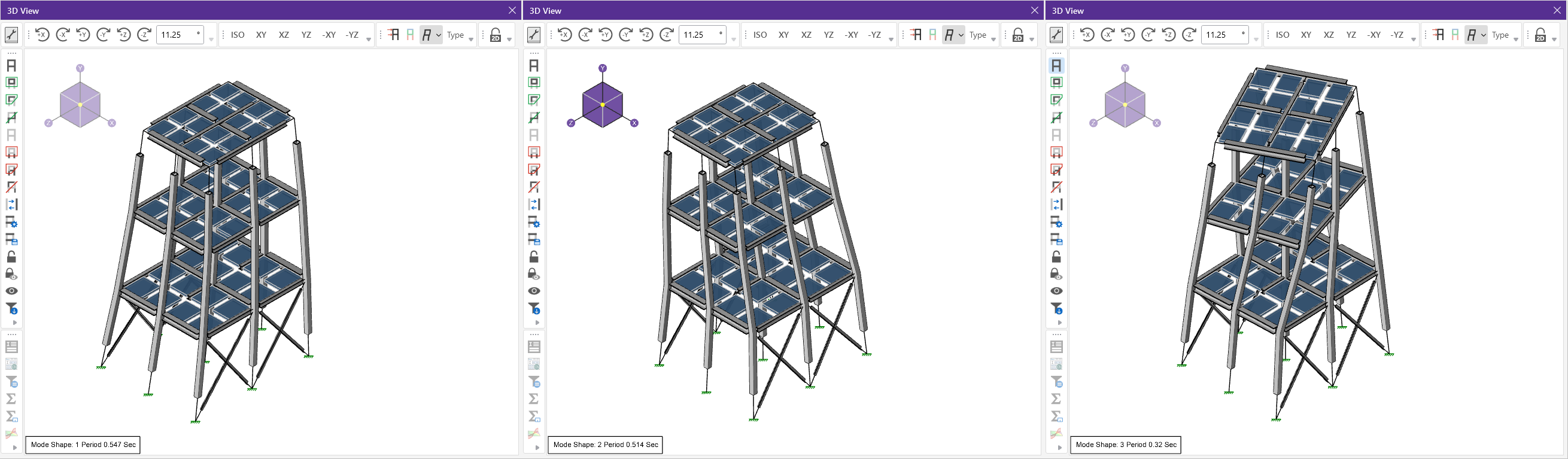
Welcome to a high-level walkthrough of dynamic analysis in RISA-3D! This...
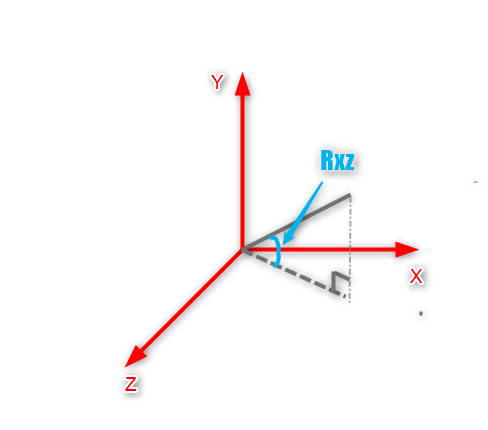
When using the Distance tool in RISA-3D, the program outputs Rxz, Rzy,...