Structural Analysis Considerations for Industrial Steel Structures

Structural Analysis Considerations for Industrial Steel Structures

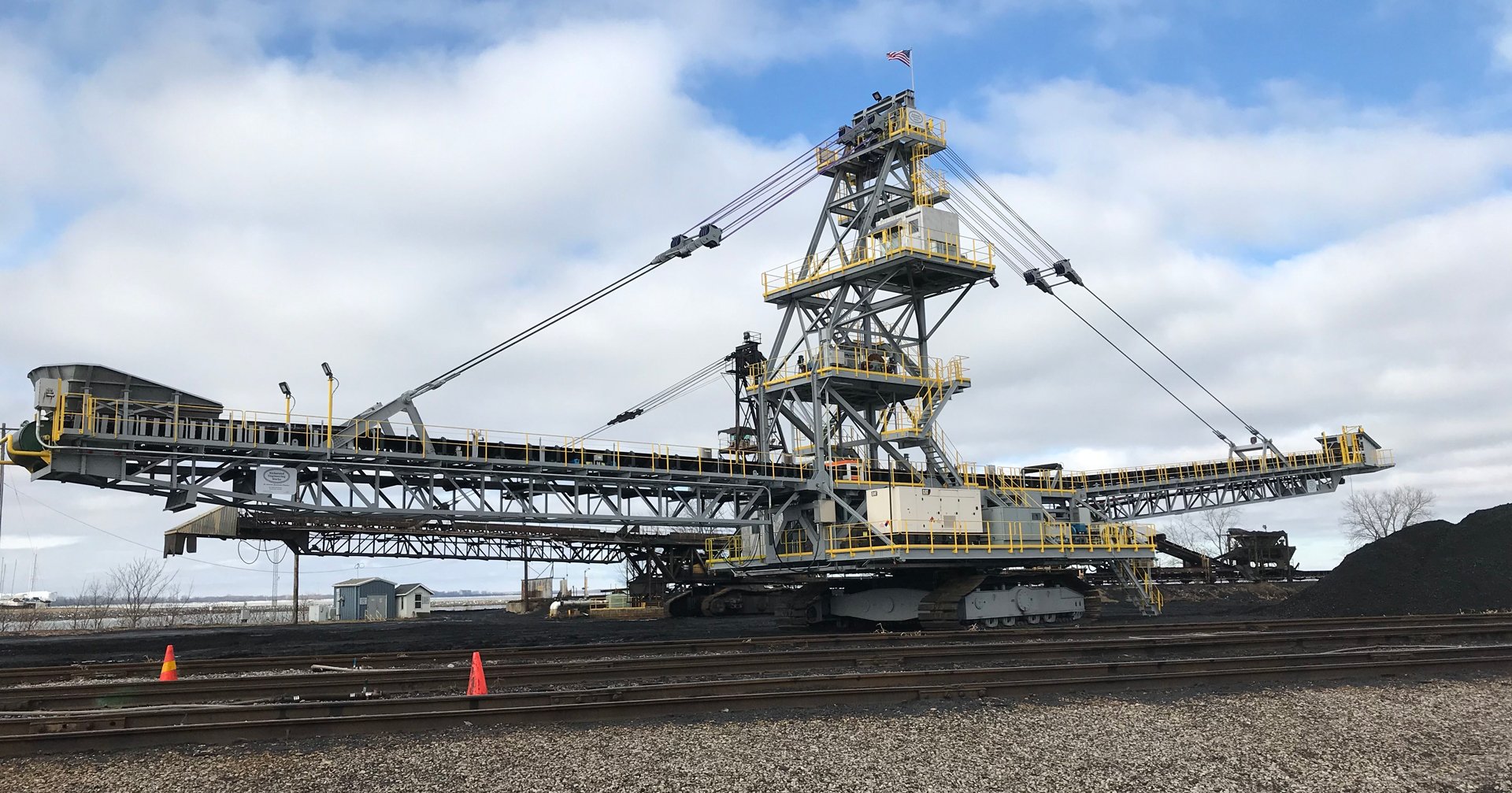
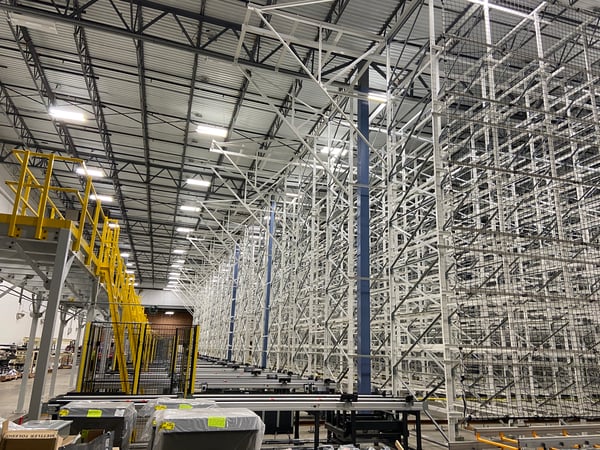
Industrial steel structures—such as pipe racks, material handling systems, transfer structures, and equipment supports—present a distinct set of challenges compared to conventional building design. These systems are often governed by heavy equipment loads, irregular geometry, non-building load combinations, and serviceability or constructability constraints that demand careful analytical judgment.

Unlike repetitive floor-framed buildings, industrial structures tend to be highly bespoke. Each project requires deliberate decisions around idealization, load application, boundary conditions, and analysis method to ensure the model reflects real structural behavior.

 

Load Definition and Application

One of the primary drivers in industrial steel design is load characterization. Gravity loading is frequently dominated by:

  • Concentrated equipment reactions

  • Conveyor or material surcharge loads

  • Pipe contents and thermal effects

  • Construction and maintenance load cases

These loads rarely align cleanly with member grids and often require explicit application at nodes or along members. Engineers must take care to apply loads at realistic elevations and attachment points to avoid unintentionally stiffening or softening the system.

Lateral loads may be generated by wind, seismic, operational effects (e.g., surge or braking loads), or equipment-induced horizontal forces. For industrial structures, these loads are often not distributed uniformly and may govern localized members rather than the global system.

Modeling Geometry and Connectivity

Industrial structures commonly include:

  • Irregular bay spacing

  • Offset framing and stepped elevations

  • Partial diaphragms or no diaphragm action

  • Mixed bracing systems

steelKing 2025-1

Accurately representing member connectivity is critical. Over-constraining joints as fully rigid or overly releasing moments can significantly distort force distribution. Engineers should intentionally define end releases, stiffness modifiers, and joint behavior to reflect actual connections rather than default assumptions.

Similarly, support conditions may include a mix of fixed, pinned, sliding, or spring-supported bases depending on foundation design, thermal movement allowances, or equipment requirements.

Load Path Verification

Given the complexity of industrial steel systems, verifying load paths is an essential part of the analysis process. Engineers should confirm:

  • Gravity loads are transferring as expected to supports

  • Lateral forces are resolved through bracing or moment frames without unintended torsional behavior

  • Secondary members are not inadvertently attracting primary load

Reviewing internal force diagrams, reactions, and deflected shapes under individual load cases—rather than only combined results—can help identify modeling issues early.

Analysis and Design Checks

Industrial steel members are often governed by combined axial force, bending, and shear under multiple controlling load cases. Members supporting equipment may experience significant axial load with relatively small unbraced lengths, while long-span framing may be controlled by deflection or vibration criteria.

Design checks should be reviewed with attention to:

  • Controlling load combinations

  • Effective length assumptions

  • Member orientation and local axis behavior

  • Serviceability limits, particularly for equipment alignment

Because many industrial structures fall outside typical building layouts, engineers should be cautious about relying solely on automated design results without reviewing governing assumptions.

Iteration and Engineering Judgment

Industrial projects evolve rapidly. Equipment weights change, layouts shift, and load cases are refined as the design progresses. A workable analysis model should allow engineers to iterate efficiently while maintaining clarity in results.

Ultimately, successful industrial steel design depends less on producing a single “final” analysis and more on continuously validating assumptions, behavior, and load paths as the project develops.


You may also be interested in

 
Engineering Tomorrow: The Evolution of Telecom Structure Design
JANUARY 23, 2024

Engineering Tomorrow: The Evolution of Telecom Structure Design

You've probably noticed those cell phone towers around town—those tall...
Read More
Designing Pultruded FRP Structures Using RISA-3D and PulCalc
OCTOBER 01, 2020

Designing Pultruded FRP Structures Using RISA-3D and PulCalc

Overview FRP or Fiber Reinforced Polymer (thermoset) composite...

Read More
Lifelong Learning in Structural Engineering: Why it Matters?
FEBRUARY 05, 2025

Lifelong Learning in Structural Engineering: Why it Matters?

On January 24th, we celebrate the International Day of Education, a...

Read More