Risa Tips & Tricks: How to Use Our Structural Analysis Software

April 20, 2026

RISA-3D to RISAFoundation: Getting Reliable Foundation Results

When you transfer a model from RISA-3D into RISAFoundation, you expect the reactions and design assumptions to carry over cleanly so foundations design the way you intended. If the workflow is not set up correctly, you can end up with soil bearing pressures, uplift, or foundation failures that don’t match what you saw in your RISA-3D results—and it’s not always obvious where the mismatch is coming from. This article walks through how the integration actually works, what transfers and what doesn’t, and a simple checklist you can follow to get reliable foundation results. 1. Understand What Transfers (and What Doesn’t) RISAFoundation reads joint reactions organized by load category, not by load combination. Those categories are defined in the Basic Load Cases spreadsheet in RISA-3D (DL, LL, WL, etc.). What comes across: Reactions grouped by load category (DL, LL, WL, etc.) Supports defined as Reaction or Spring Wall reactions represented as a series of point loads along the wall base (based on the wall mesh) What does not come across: Load combinations Fixed supports (these do not appear as foundations) Moving loads and non-linear/second-order effects on a per-combination basis Model Settings come over only the first time you transfer. If you…

Read More

July 12, 2023

Flexibility with RISA Subscription Licensing

Why should you use subscription licensing? License Flexibility With...

Read More
October 04, 2018

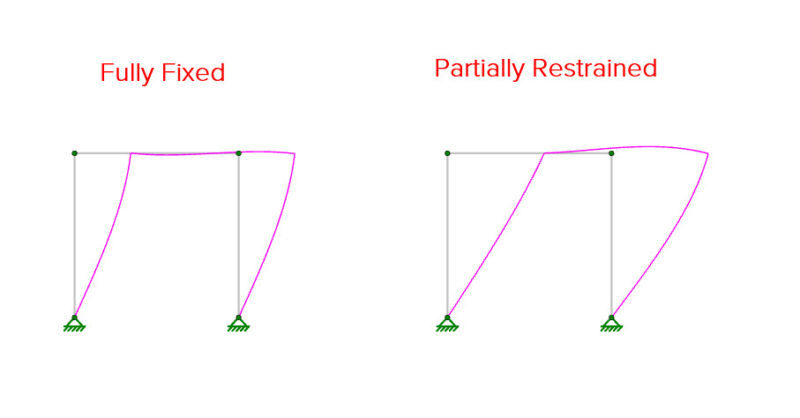
Partial Fixity End Releases in RISA-3D

RISA-3D v17.0 now has the ability to model partial fixity member end...
Read More
January 18, 2011

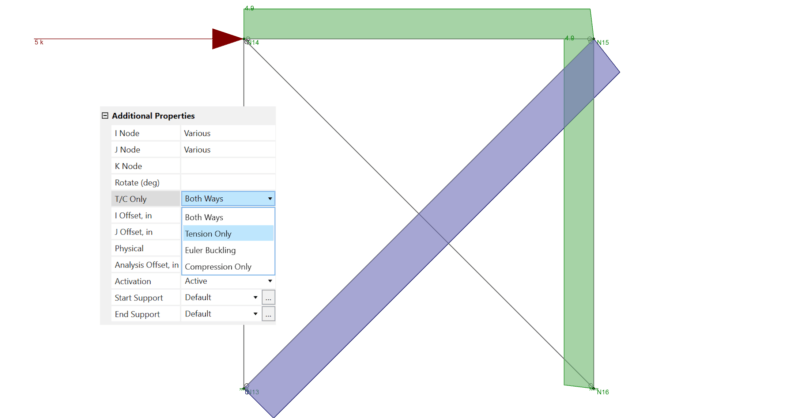
How to Model Tension-Only Bracing in RISA-3D

Before reading this, be sure to check out the article linked below on...

Read More

Subscribe to Our Newsletter

Our monthly "Structural Moment" newsletter is the best way to keep up with RISA’s product updates, new releases, new features, training events, webinars and more...