


 By: RISA
Designing Multi-Material Models for ASD & LRFD with one solution
RISA-3D includes material specific checkboxes on the Design tab of the...
Modern building design is increasingly defined by hybrid systems. Engineers are combining multiple building materials within a single structure to meet demands for efficiency, constructability, and performance.
This approach allows each material to be used where it performs best, but it also introduces a level of complexity. Coordinating different material behaviors within one structural system and load path is no longer a niche challenge. It is becoming standard practice.

Multi-material structural design is the practice of using different building materials in one coordinated structural system so that load paths, stiffness, and movement are all working together.
In real projects, this shows up as:
These systems are now common in commercial and residential projects, especially as teams look for more sustainable and efficient buildings.
Using multiple materials allows engineers to fine-tune structural systems and capitalize on the best attributes of each material. Multi-material structural systems help you:
The result can be an efficient structure, but only if the different materials and components work together as intended.
Designing with multiple materials is not just about checking individual members. It is about managing how different materials behave together for a cohesive structural system.
Load flows through buildings based on the relative stiffness of its members. A stiff concrete wall will attract more load than a flexible wood shear wall. If the varying stiffnesses are not properly accounted for in the design, the assumed load paths can lead to overstressed elements or inefficient designs.
Materials respond differently to load, temperature, and time-dependent effects. For example, wood shrinkage and concrete creep can introduce movement that must be accommodated at the interface between members. Without careful coordination, this can lead to serviceability issues or unintended force transfer at connections.
Each material follows its own design code and detailing requirements. Engineers must verify that every component satisfies its governing criteria while still functioning as part of a unified system. This means tracking multiple code provisions and detailing rules within one structural model.
The definition of an optimized design is not consistent across materials. Steel and wood designs are optimized through member sizing and spacing while concrete and masonry designs may keep geometry fixed while optimizing with the reinforcement layout. Balancing these differing approaches requires iteration across the entire system.
Beyond engineering theory, one of the biggest obstacles in multi-material designs is workflow.
Many engineers still rely on a mix of tools for each material type such as a vetted spreadsheet for masonry walls, a standalone model for wood trusses, and a 3D model for steel frames. While each tool may be effective on its own, the overall process becomes fragmented.
This fragmentation creates several problems:
In multi-material design, coordination is critical and these inefficiencies compound quickly.
An integrated workflow addresses these challenges by keeping analysis and design all in one file. Structural analysis software should support multi-material structural modeling without requiring you to rebuild the project in multiple tools.
RISA’s product ecosystem is built around this idea. It allows engineers to design across multiple materials without breaking the workflow.
RISA-3D utilizes the actual stiffness of the structure to determine the load path. This removes much of the guesswork from an engineer’s calculations and leads to a more efficient structural system. Engineers can place the lateral stiffness where it is needed and reduce overdesign in redundant load paths.
Programs like RISAFloor, RISA-3D, and RISAFoundation each focus on a specific aspect of the design - gravity systems, lateral systems, and foundations - while maintaining direct integration. Engineers can use the right tool for each task without losing continuity.
Instead of recreating models or manually copying loads, data automatically transfers directly between programs as updates are made to the model. This ensures that geometry, loading, and member forces remain consistent throughout the design process and across all materials.
A shared interface across RISA products reduces the learning curve and makes it easier to move between different parts of the design.
Results for all material types can be captured within a coordinated report in each program. This simplifies calculation packages, reduces administrative time, and improves traceability during review.
Each material can still be designed according to its own code, design methodology, and optimization logic, within a single coordinated model. This allows engineers to maintain precision and code compliance without sacrificing efficiency.
As multi-material systems become the norm, your ability to coordinate multiple materials accurately and efficiently will be a key differentiator for your firm.
An integrated RISA workflow helps you:
RISA’s approach enables engineers to maintain a single, coordinated structural model while still leveraging specialized tools for each material. The result is a more efficient design process, improved accuracy, and greater confidence that the structure will perform as intended.
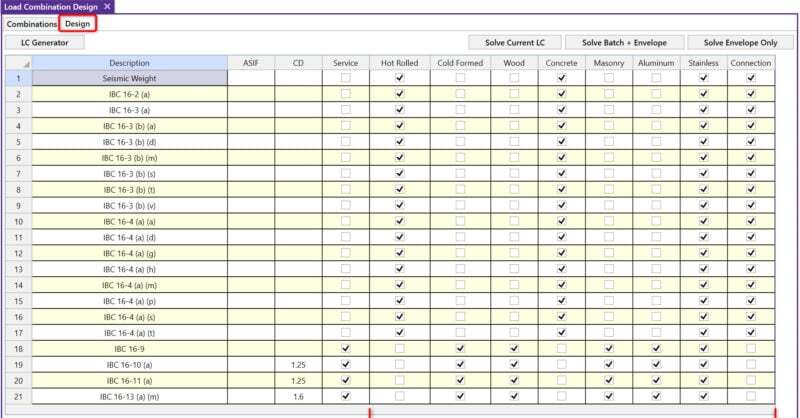
RISA-3D includes material specific checkboxes on the Design tab of the...
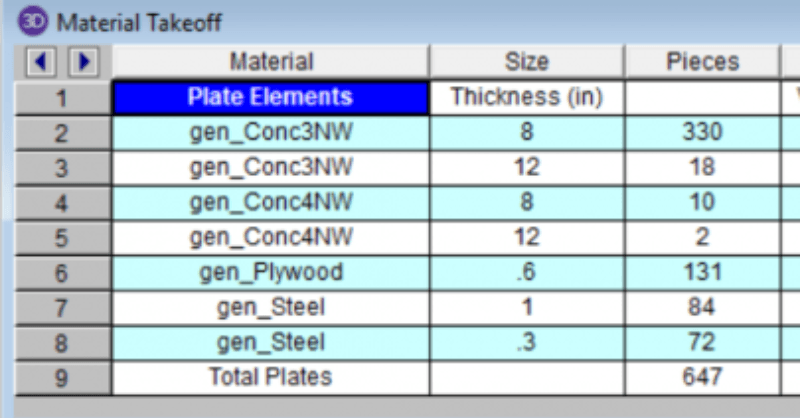
RISA-3D now includes plate elements in the Material Takeoff.
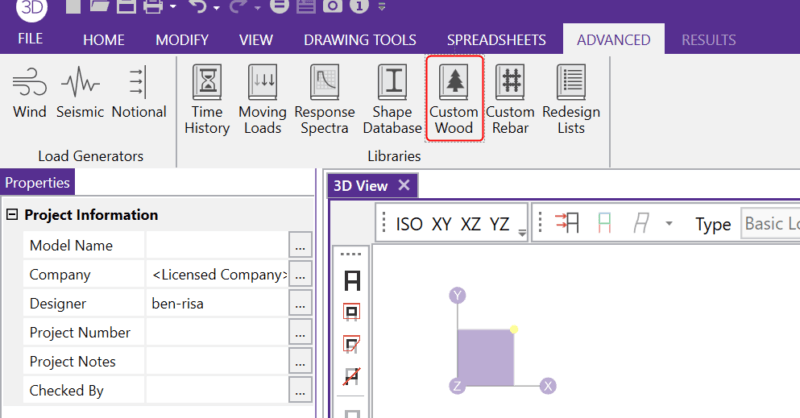
In RISA-3D and RISAFloor, the entire NDS species list is available as...