The Rolling Process: Hot Rolled vs Cold Rolled Steel

Hot Rolled vs. Cold Rolled Steel: Structural Guide & Design Tips
9:07

Key Takeaways

  • The Temperature Threshold: Hot rolling occurs above the recrystallization temperature (1700℉); cold rolling occurs at room temperature.
  • Dimensional Accuracy: Hot-rolled steel shrinks as it cools, leading to looser tolerances. Cold-rolled steel maintains its shape.
  • Internal Stresses: Hot-rolled steel is virtually stress-free because it cools gradually. Cold-rolled steel contains "locked-in" internal stresses due to the mechanical work performed on it at room temperature.
  • Material Strength: Cold rolling increases yield and tensile strength by up to 20% through a process called strain hardening.

Rolling is the mechanical process of shaping raw steel into profiles like I-beams, channels, and plates. While the chemical composition of the steel may be identical, the temperature during the rolling process dictates the internal stress profile, dimensional accuracy, and final yield strength of the member.

The distinction between hot-rolled and cold-rolled steel comes down to the recrystallization temperature. Hot rolling occurs above this threshold, allowing the grain structure to reset, while cold rolling occurs at room temperature, forcing the material to harden through mechanical strain.

Hot-rolled steel is the backbone of Infrastructure

Hot-rolled steel is the primary choice for mass-scale structural applications. Because the steel is processed in a plastic, malleable state, it can be formed into massive sections (such as heavy W-shapes) with minimal energy.

1. Cost Efficiency in Large-Scale Construction

The production of hot-rolled steel is a continuous, high-speed process. Because the metal is shaped while malleable and does not require the secondary cooling, acid baths (pickling), or room-temperature reduction passes necessary for cold rolling, the energy overhead is significantly lower.

  • Economic Impact: For massive projects like skyscrapers, bridge girders, and industrial warehouses, the cost per ton is the most critical metric. Hot-rolled steel provides the required structural capacity at a fraction of the price of cold-finished alternatives.
  • Availability: Standard structural shapes (W-flanges, C-channels, and angles) are mass-produced in hot-rolled form, ensuring consistent supply chains for global infrastructure projects.

2. Malleability and Field Workability

When steel is worked above its recrystallization temperature, the grain structure "resets." This leaves the material in a soft, ductile state.

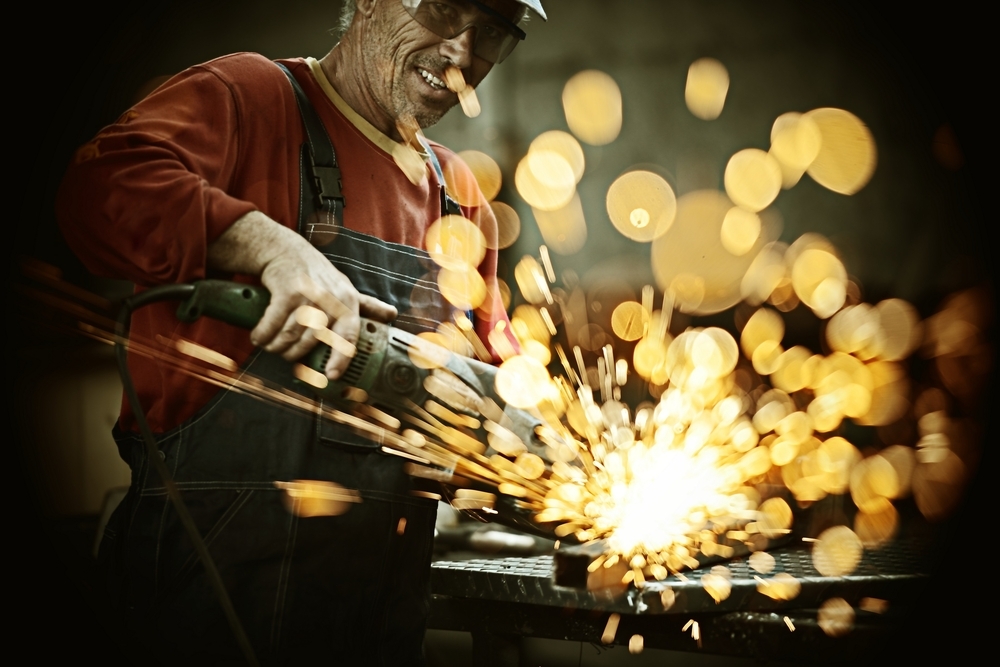
  • Field Modifications: In the field, hot-rolled steel is significantly easier to weld, grind, and torch-cut. Because the material is not "work-hardened," it does not resist the heat of a welding arc or the bite of a drill bit as aggressively as cold-rolled steel.
  • Ductility: The high ductility of hot-rolled steel is a safety feature. In seismic zones or high-load environments, hot-rolled members are more likely to undergo plastic deformation (bending) rather than sudden, brittle fracture, providing vital warning signs of structural distress.

3. Structural Stability and Residual Stress Management

One of the most valuable traits of hot-rolled steel is its lack of internal "locked-in" stresses. Because the steel is allowed to cool gradually and uniformly at room temperature, the internal grain structures relax into their natural state.

  • Eliminating the "Tug-of-War": In cold-rolled steel, the mechanical squeezing at room temperature creates massive internal tension. If you cut or machine a cold-rolled bar, these stresses are released, often causing the material to snap, warp, or bow.
  • Machining Precision: Hot-rolled steel remains dimensionally stable during secondary processes. Whether you are laser-cutting base plates or drilling bolt holes in a massive column, the material stays flat and true because there are no internal stresses fighting the geometry of the cut.

Primary Applications

  • Building Frames: Major structural I-beams, columns, and channels.
  • Transportation: Railroad tracks, heavy vehicle frames, and ship hulls.
  • Infrastructure: Agricultural equipment and bridge girders.

Cold-rolled steel is Made For Precision and Performance

Cold-rolled steel is essentially hot-rolled steel that has undergone an additional finishing stage. After the steel cools, it is passed through rollers at room temperature. Since the steel is no longer soft, the rollers apply extreme pressure to compress and "work" the material.

1. Superior Surface Finish and Finish Readiness

Hot-rolled steel is characterized by "mill scale", a brittle layer of iron oxides that forms as the metal cools in open air. Cold-rolled steel undergoes "pickling" to remove this scale before the final cold reduction passes.

  • Engineering Value: The resulting surface is smooth and aesthetically consistent. This eliminates the need for aggressive grinding or sandblasting before painting, plating, or powder coating.
  • Coefficient of Friction: The refined surface provides a more predictable coefficient of friction, which is critical for components involving sliding contact or precision fitments.

2. Strain Hardening and Enhanced Yield Strength

When steel is worked at room temperature, the grain structures are compressed and elongated in the direction of rolling. This process, known as strain hardening or work hardening, increases the dislocation density within the material’s crystal lattice.

  • Yield Strength (Fy) Increase: Cold rolling can boost yield strength by 20% or more compared to the base hot-rolled material.
  • The Trade-off: While the material becomes harder and stronger, it loses ductility. This makes cold-rolled steel more "brittle" than hot-rolled steel, meaning it will deform less before it fractures.

3. Sharp Geometry and Dimensional Precision

In hot rolling, the steel expands at 1700℉ and shrinks significantly as it reaches room temperature. This cooling is rarely perfectly uniform, leading to rounded edges and slight warping.

  • Tolerance Control: Because cold rolling occurs at room temperature, there is no thermal contraction to calculate. This allows for incredibly tight tolerances, often within +/- 0.001 inches.
  • Sharp Radii: Cold rolling produces sharp 90-degree corners and crisp edges. This is essential for mechanical assemblies where parts must mate perfectly without secondary machining.

Primary Applications

  • Aerospace: High-precision structural ribs and skin components.
  • Appliances and Furniture: Visible metal surfaces requiring high-quality finishes.
  • Cold-Formed Sections: Light-gauge studs, tracks, and purlins used in mid-rise construction.

A Comparison of Hot Rolled vs Cold Rolled Steel


Feature

Hot Rolled Steel

Cold Rolled Steel

Surface Finish

Rough, scaled, blue-grey

Smooth, oily, or shiny

Edges

Rounded and irregular

Sharp and well-defined

Tolerance

Looser (allows for shrinkage)

Tight and precise

Internal Stress

Minimal (Relaxed)

High (Strain Hardened)

Ductility

High

Lower (Increased brittleness)


Software and Modeling Considerations

In Finite Element Analysis (FEA) software like RISA-3D, the "Hot vs. Cold" distinction changes how you define material properties and interpret results.

1. Yield Strength (Fy)

Designers must ensure the material library reflects the correct yield strength. Using a standard A36 (hot-rolled) value for a cold-drawn bar leads to an over-designed, inefficient member. Conversely, cold-finished products require specialized grade definitions to capture their higher capacity.

2. Residual Stresses and Buckling

Cold-rolled sections, specifically light-gauge cold-formed steel, are highly sensitive to local buckling. Professional software accounts for "effective section" properties, recognizing that internal stresses in a cold-rolled member cause it to "shed" load differently under compression than a normalized hot-rolled section.

3. The Heat-Affected Zone (HAZ)

When welding cold-rolled steel, the high heat of the weld can "anneal" the local area, effectively reversing the strength gains from the cold rolling process. Your software checks must account for these weakened zones in high-precision or high-strength connections.

Matching the Steel to the Mission

Choosing between hot rolled vs. cold rolled steel is a calculation of economics against precision. If the project requires the primary skeleton of a bridge or a skyscraper, hot-rolled steel provides the necessary bulk and cost-efficiency. If the project demands a polished finish, or the specialized performance of thin-walled sections, cold-rolled steel provides that.

Regardless of your choice, accurate structural analysis requires a granular understanding of material behavior. RISA-3D manages these steel grades and automates AISI/AISC design checks.

Start your free trial of RISA-3D today and move from basic material selection to professional design automation.


You may also be interested in

 
Design of Back-to-Back Hot Rolled Channels in RISA
FEBRUARY 15, 2022

Design of Back-to-Back Hot Rolled Channels in RISA

Engineers choose RISA-3D and RISAFloor for the design of all types of...
Read More
Why Are The Steel Beam Deflections So Large?
SEPTEMBER 06, 2013

Why Are The Steel Beam Deflections So Large?

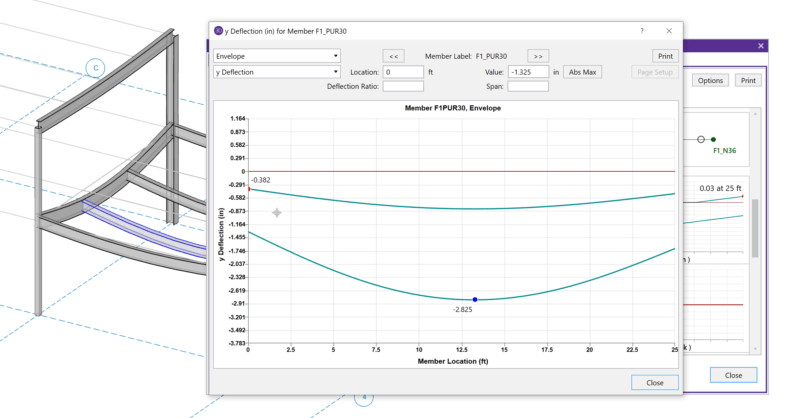
When solving a RISA-3D model with hot rolled steel members under the...
Read More
CSA S16-14 Canadian Steel Code now Available
FEBRUARY 15, 2017

CSA S16-14 Canadian Steel Code now Available

RISA-3D now supports hot rolled steel design for the Canadian market...

Read More